Low back pain is one of the most common reasons adults seek medical care. It can affect how you work, sleep, move, and enjoy everyday life. For some people, the pain begins suddenly after an injury. For others, it develops slowly and becomes a constant burden that never fully goes away.
Many patients feel frustrated because their pain keeps returning, even after rest, therapy, or medication. According to Dr. Amit Mirchandani, MD, a board certified pain management specialist, low back pain often persists when the true source of the pain has not been properly identified
This SEVAPEDIA guide explains how pain specialists evaluate low back pain, why it can become chronic, and what modern treatment options are available to help patients regain mobility and quality of life.
What Is Low Back Pain
Low back pain refers to pain originating in the lumbar spine. This region supports much of the body’s weight and allows bending, lifting, and twisting. The lumbar spine is made up of vertebrae, discs, joints, nerves, muscles, and ligaments that must work together in balance.
Dr. Amit Mirchandani MD explains that
low back pain is often classified by how long it lasts.
- Acute low back pain:
Pain lasting less than four weeks. It is commonly caused by muscle strain or ligament injury.
- Subacute low back pain Pain:
lasting between four and twelve weeks. This phase may involve mechanical or structural spine problems.
- Chronic low back pain: Pain lasting longer than twelve weeks. Chronic pain often involves disc degeneration, joint arthritis, or nerve irritation and usually requires a more targeted treatment plan.
When pain becomes chronic, it usually means the underlying pain generator has not been fully addressed, which is why symptoms frequently return.
Common Causes of Low Back Pain
Low back pain is not a single condition. It is a symptom with many possible sources. Identifying the cause is essential for effective treatment.
- Muscle and Ligament Strain: Strains and spasms in the lower back muscles are a frequent cause of acute pain. They may result from lifting, repetitive motion, poor posture, or sudden movement. While many cases improve, repeated strain can lead to ongoing pain.
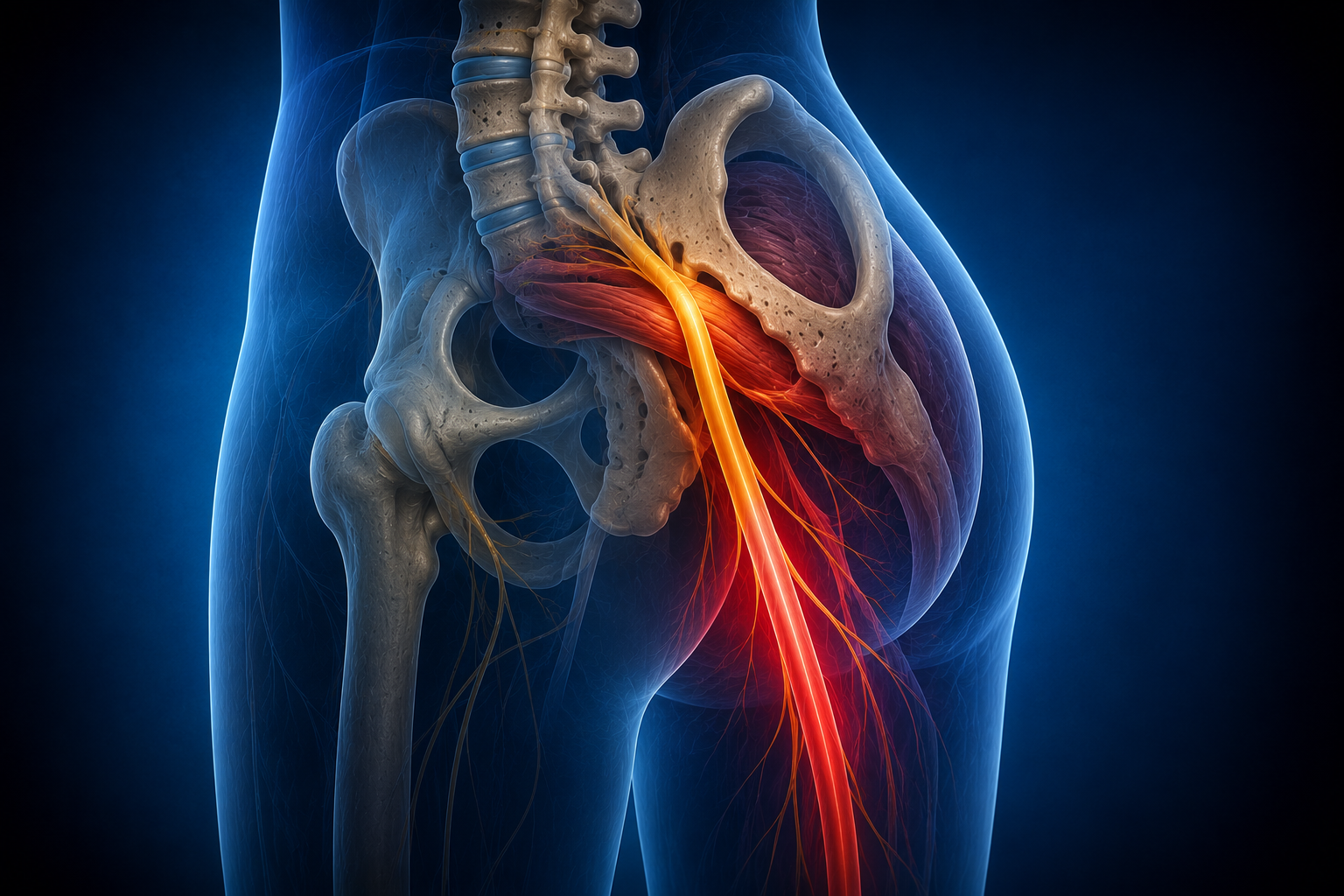
- Herniated or Bulging Discs: Spinal discs act as cushions between vertebrae. When a disc bulges or herniates, it can irritate nearby nerves and cause back pain that may radiate into the leg, commonly known as sciatica.
- Degenerative Disc Disease: As discs age, they lose hydration and height. This can lead to inflammation, reduced stability, and persistent aching in the lower back.
- Facet Joint Arthritis: Facet joints connect the vertebrae and guide spinal movement. Arthritis in these joints can cause stiffness, localized pain, and discomfort with twisting or bending.
- Sacroiliac Joint Dysfunction:The sacroiliac joints connect the spine to the pelvis. Inflammation or dysfunction in these joints can cause pain that mimics disc or nerve problems and is often overlooked.
- Spinal Stenosis: Spinal stenosis occurs when the spinal canal narrows and places pressure on nerves. Patients often experience leg pain, numbness, or weakness that worsens with standing or walking and improves when sitting.
- Post Surgical Back Pain: Some patients continue to experience pain after spine surgery due to nerve injury, scar tissue, or unresolved pain sources. This condition is often referred to as failed back surgery syndrome.
Each of these conditions can be explored further in dedicated SEVAPEDIA articles.
Symptoms That Should Not Be Ignored
Certain symptoms suggest that low back pain may require evaluation by a pain management specialist.
Pain lasting longer than several weeks
Pain radiating into the buttock or leg
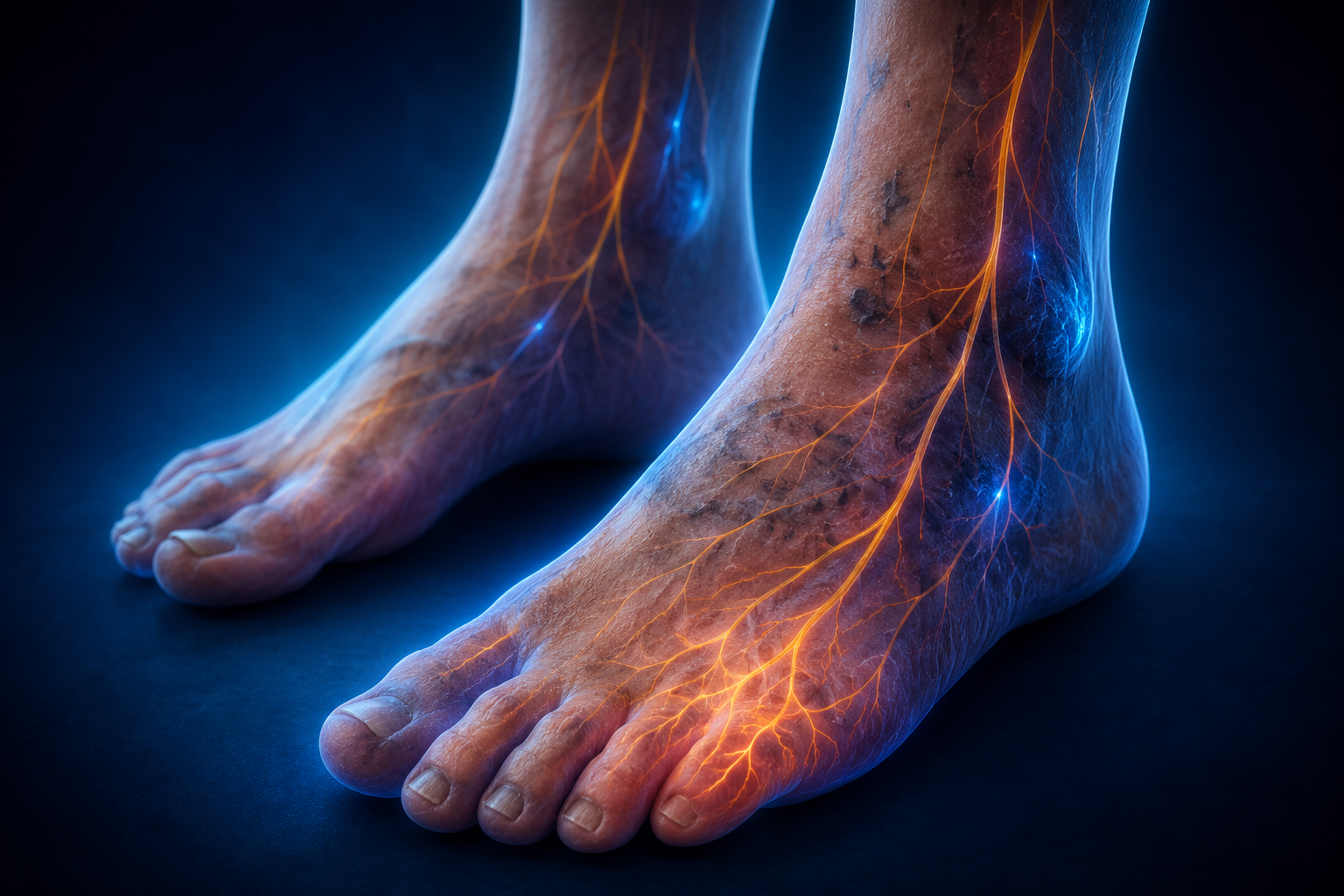
Numbness or tingling in the legs or feet
Pain that worsens with standing or walking
Night pain or increasing stiffness
These symptoms often indicate nerve involvement or structural spine problems that require targeted care.
How Pain Specialists Diagnose Low Back Pain
According to Dr. Amit Mirchandani MD, accurate diagnosis is the foundation of effective treatment.
A pain specialist evaluation may include:
- Review of medical history and symptom patterns
- Physical and movement examination
- Imaging such as X rays or MRI when appropriate
- Diagnostic injections to confirm the source of pain
Diagnostic injections are especially useful because they help identify whether pain originates from a disc, joint, or nerve, allowing treatment to be precise rather than generalized.
Modern Treatment Options for Low Back Pain
Treatment should be personalized and based on the underlying cause of pain. Dr. Mirchandani emphasizes a step by step approach, beginning with conservative care and progressing only when necessary.
- Conservative care coordination: Physical therapy, guided exercise, and activity modification.
- Image guided injections: Targeted treatments that reduce inflammation around nerves, joints, or discs.
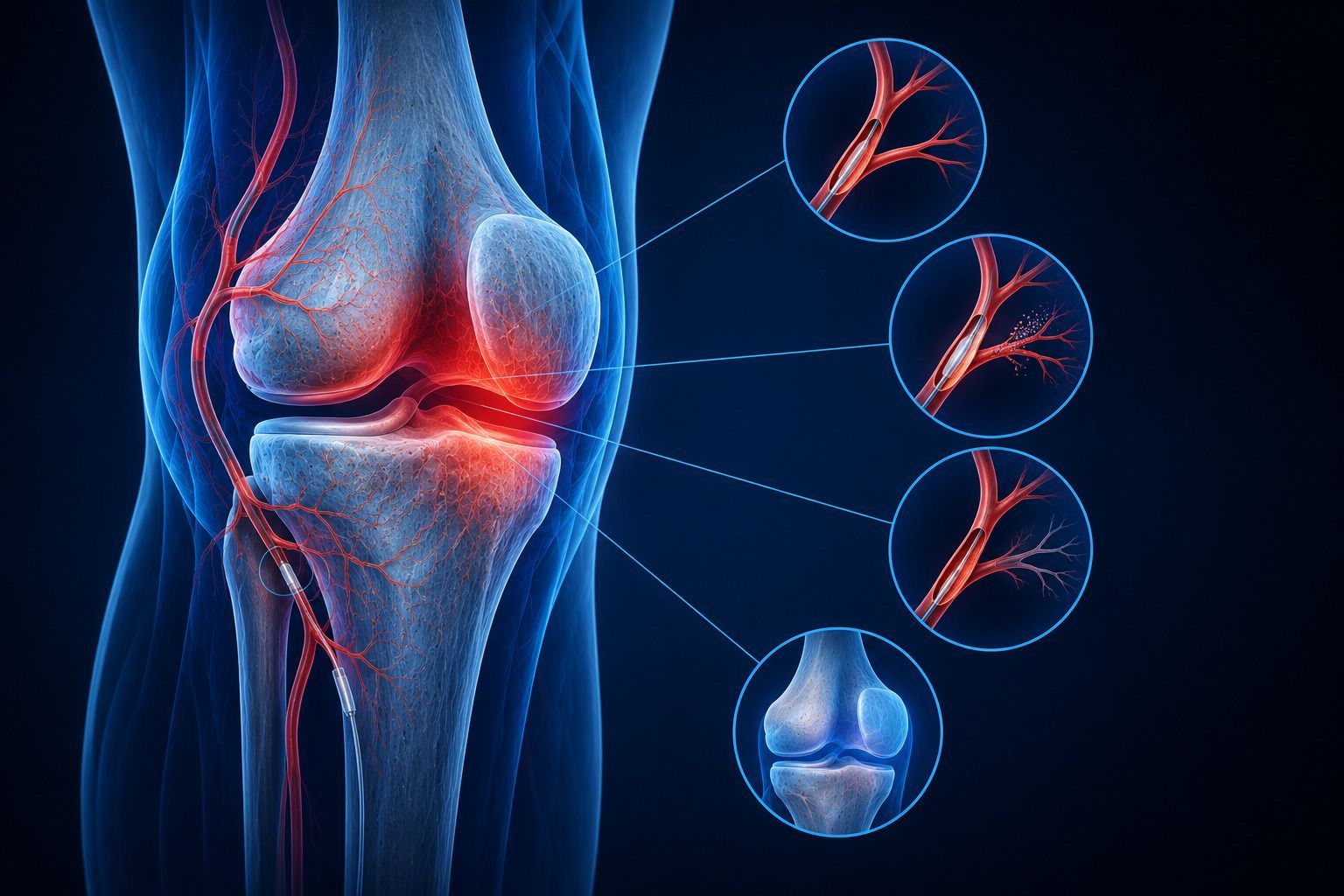
- Radiofrequency ablation: A technique that interrupts pain signals from arthritic spinal joints and can provide longer lasting relief.
- Minimally invasive spine procedures: Options designed to relieve nerve pressure while avoiding large surgical interventions.
- Neuromodulation for chronic pain: Advanced therapies such as spinal cord stimulation for persistent or complex cases.
These approaches focus on restoring function, improving mobility, and reducing reliance on long term medication.
When to See a Pain Management Specialist
You may benefit from seeing a pain management specialist if:
- Pain interferes with work, sleep, or daily activities
- Therapy or medication has not provided lasting relief
- You want options beyond surgery or long term opioid use
Early evaluation often leads to better outcomes and more treatment choices.
Low back pain does not have to control your life. When pain continues for weeks or months, it is often a sign that the underlying source has not been fully identified. As Dr. Amit Mirchandani MD explains, long term relief begins with an accurate diagnosis and a treatment plan focused on the true cause of pain rather than temporary symptom relief.
At SEVA Healthcare, our board certified pain management specialists provide personalized evaluations and advanced, minimally invasive treatments designed to reduce pain, restore movement, and improve quality of life. We take the time to understand your symptoms, identify the pain source, and create a care plan tailored to your specific needs.
If you are experiencing ongoing low back pain, leg pain, sciatica, or limited mobility, a comprehensive evaluation is the next step.
SEVA Healthcare offers expert pain management care at four convenient locations:
- Tulsa Midtown Oklahoma
- Tulsa South Sheridan Oklahoma
- Lewisville, Dallas, Texas
- Rowlett, Dallas, Texas
Our clinics serve patients throughout the Tulsa area and the Dallas Fort Worth region, providing access to experienced physicians and modern treatment options close to home.
Visit our
Contact Us page to request an appointment, ask questions, or speak with our care team about your symptoms and treatment options.
Early evaluation can make a significant difference. The right diagnosis and the right treatment plan can help you move forward with confidence.