JP
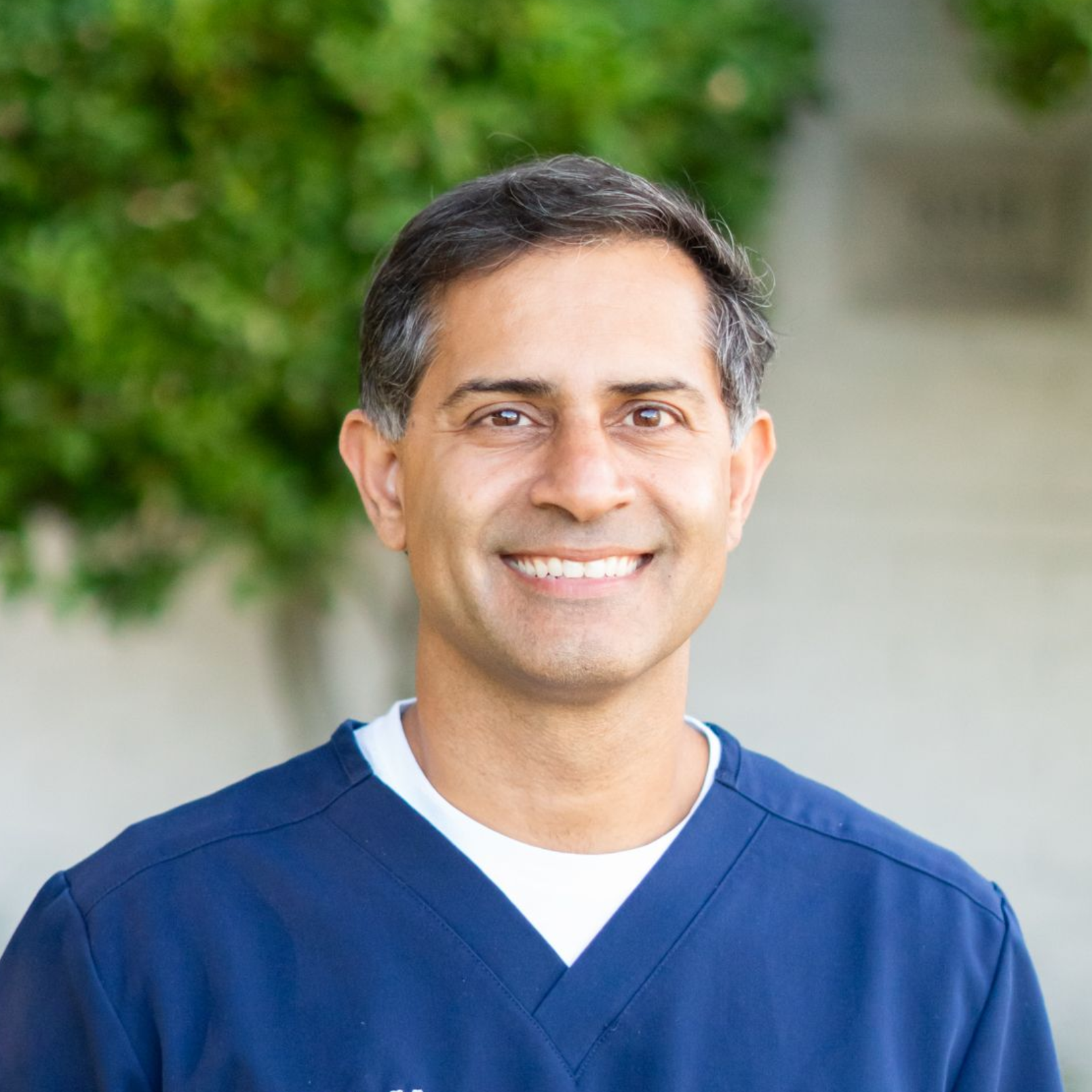
Dr. Jayen Patel
Founder & Board-Certified Pain Management Physician · SEVA Healthcare · Recognized among the Three Best Rated Pain Doctors in Tulsa
12 min read
Key Takeaways
- SCS is an FDA-approved treatment for chronic back pain, leg pain, neuropathy, and failed back surgery
- It works by sending gentle electrical impulses that interrupt pain signals before they reach the brain
- Over 80% of patients in clinical studies report significant pain reduction
- A trial period lets you test it before any permanent commitment
- Modern SCS uses high-frequency and burst stimulation — no buzzing sensation required
- Available at SEVA Healthcare in Tulsa Midtown, South Tulsa, Lewisville, and Rowlett
I want to talk directly to the patients who feel like they have tried everything.
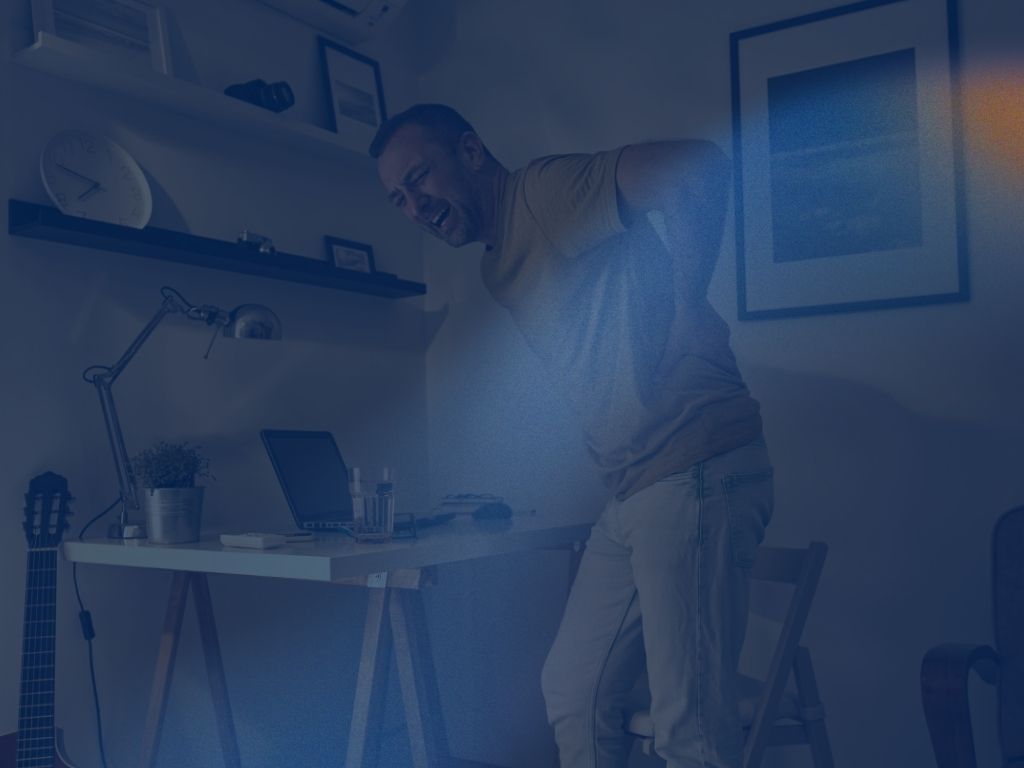
The ones who have had epidural injections — maybe many of them. The ones who have been through surgery and still wake up in pain. The ones taking medication they wish they didn't have to take, missing things that matter to them, wondering if this is just how life is now.
It is not. And spinal cord stimulation — SCS — is often the answer for patients who reach that point.
I have been performing SCS procedures for years at SEVA Healthcare
in Tulsa and Dallas, and I have seen it change lives in ways that other treatments could not. In this article I want to explain exactly how it works, who it helps, what the trial experience is like, and what the evidence really says — in a way that actually makes sense if you are not a doctor.
What is spinal cord stimulation?
Spinal cord stimulation is a form of neuromodulation — meaning it works by changing the way your nervous system processes pain signals, rather than trying to fix the structural cause of pain or block it with medication.
In plain language
Think of your spinal cord as a highway for pain signals. When you have chronic pain, that highway is constantly busy — signals are traveling from the painful area up to your brain, and your brain keeps registering them as pain even when there is no ongoing injury.
SCS places a small device near your spinal cord that sends gentle electrical pulses. These pulses work like a traffic controller — they intercept the pain signals and prevent them from reaching the brain. The result is that your brain stops registering the pain, even though the underlying condition may still be present.
The device itself has two parts: thin wire leads placed near the spinal cord through a small needle, and a small battery pack (pulse generator) implanted just under the skin — similar in size to a large coin. The entire system is internal and invisible from the outside.
SCS has changed dramatically — what you picture may be outdated
Many patients who have heard of spinal cord stimulation picture an older version of the technology — one that creates a buzzing or tingling sensation (called paresthesia) as a side effect of the treatment. That older approach is largely being replaced by newer, far more comfortable stimulation methods.
Traditional SCS
older technology
Delivers low-frequency electrical pulses that create a tingling or buzzing sensation (paresthesia) to mask pain. Effective for many patients but the sensation can be uncomfortable and varies with body position.
High-Frequency 10 kHz
what we use at SEVA
Delivers stimulation at 10,000 Hz — far above the threshold of sensation. No tingling or buzzing feeling.
Clinical trials show superior pain relief for back and leg pain compared to traditional SCS. FDA-approved. Available at SEVA Healthcare.
Burst SCS
newer approach
Delivers pulses in bursts that more closely mimic the natural firing patterns of the nervous system. Also paresthesia-free. Particularly effective for patients with both back and leg pain.
Closed-Loop SCS
most advanced
The newest generation of SCS automatically adjusts stimulation in real time based on your body's response. A 36-month randomized trial (EVOKE, 2024) demonstrated superior and more consistent pain relief compared to standard systems.
Who is spinal cord stimulation right for?
SCS is FDA-approved for several specific conditions. The patients I see most often who benefit significantly include:
Failed back surgery syndrome
Persistent or recurrent pain after spinal surgery. This is one of the strongest indications for SCS and has the most robust evidence behind it.
Learn more about post-surgery pain.
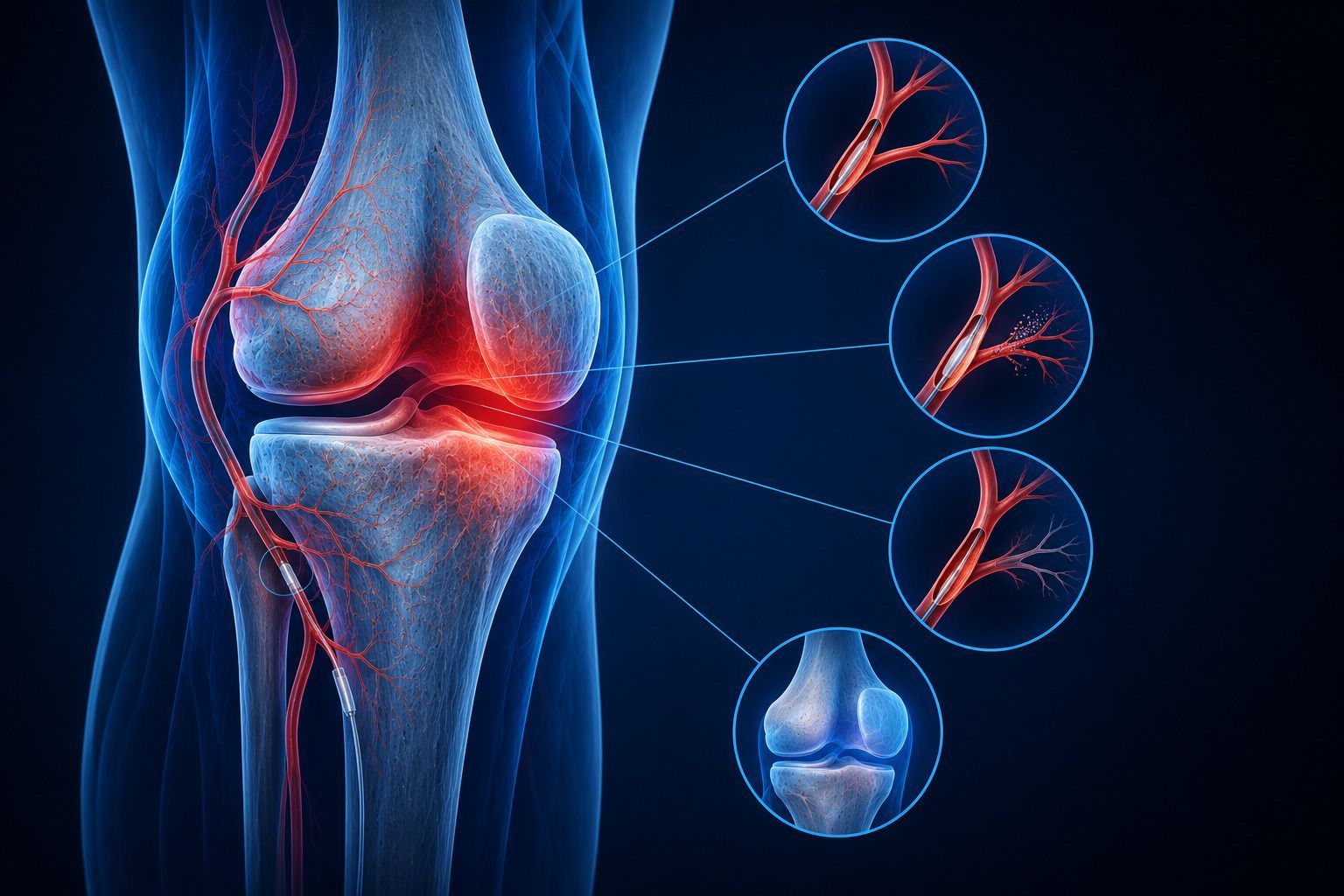
Chronic back and leg pain
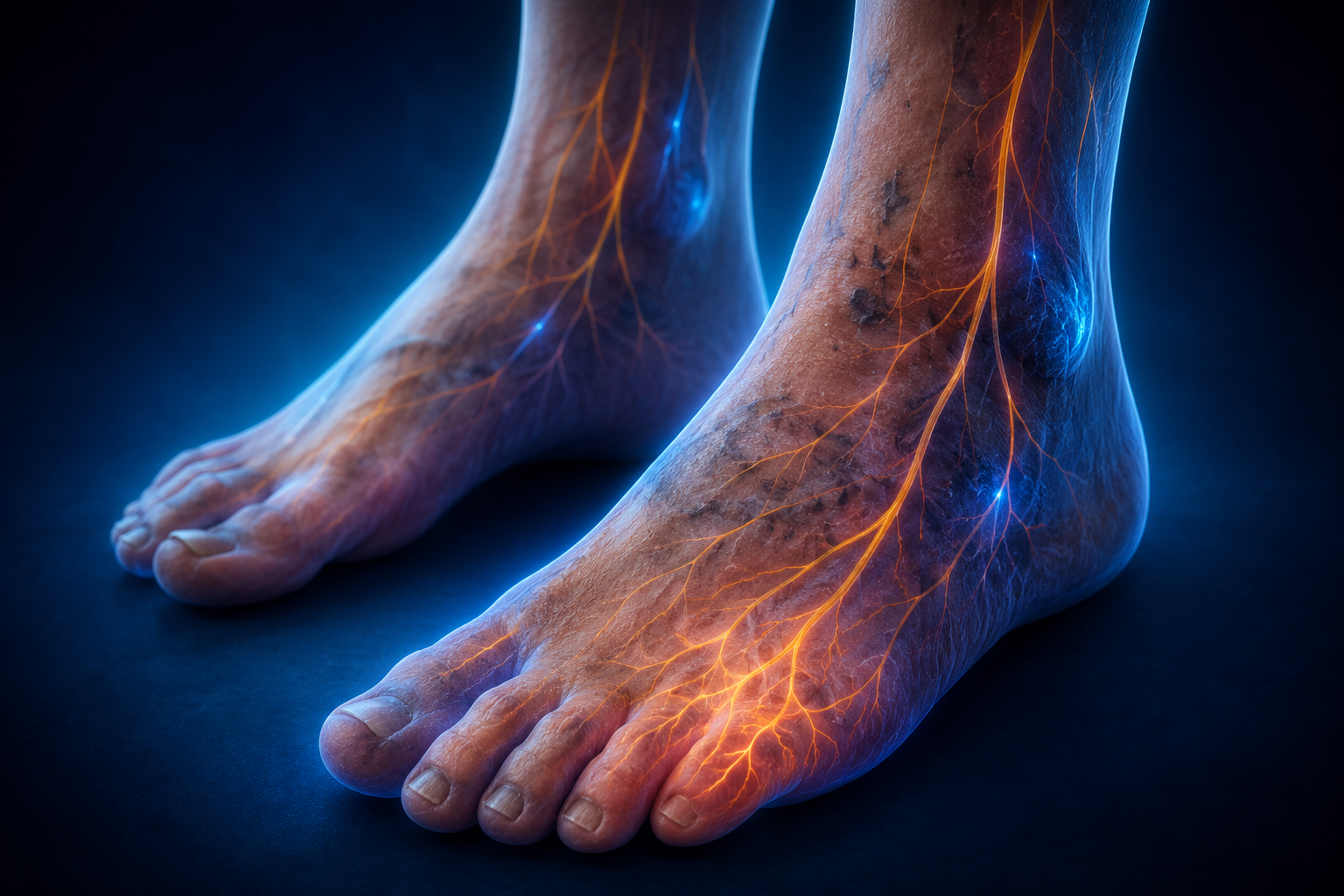
Diabetic peripheral neuropathy
FDA expanded indications in 2021–2022. High-frequency 10 kHz SCS showed significant improvements in pain and quality of life at 24 months in a randomized trial published in JAMA Neurology.
Complex regional pain syndrome (CRPS)
One of the most challenging pain conditions to treat. SCS is one of the most consistently effective interventions for CRPS and is often transformative for patients who have tried many other approaches.
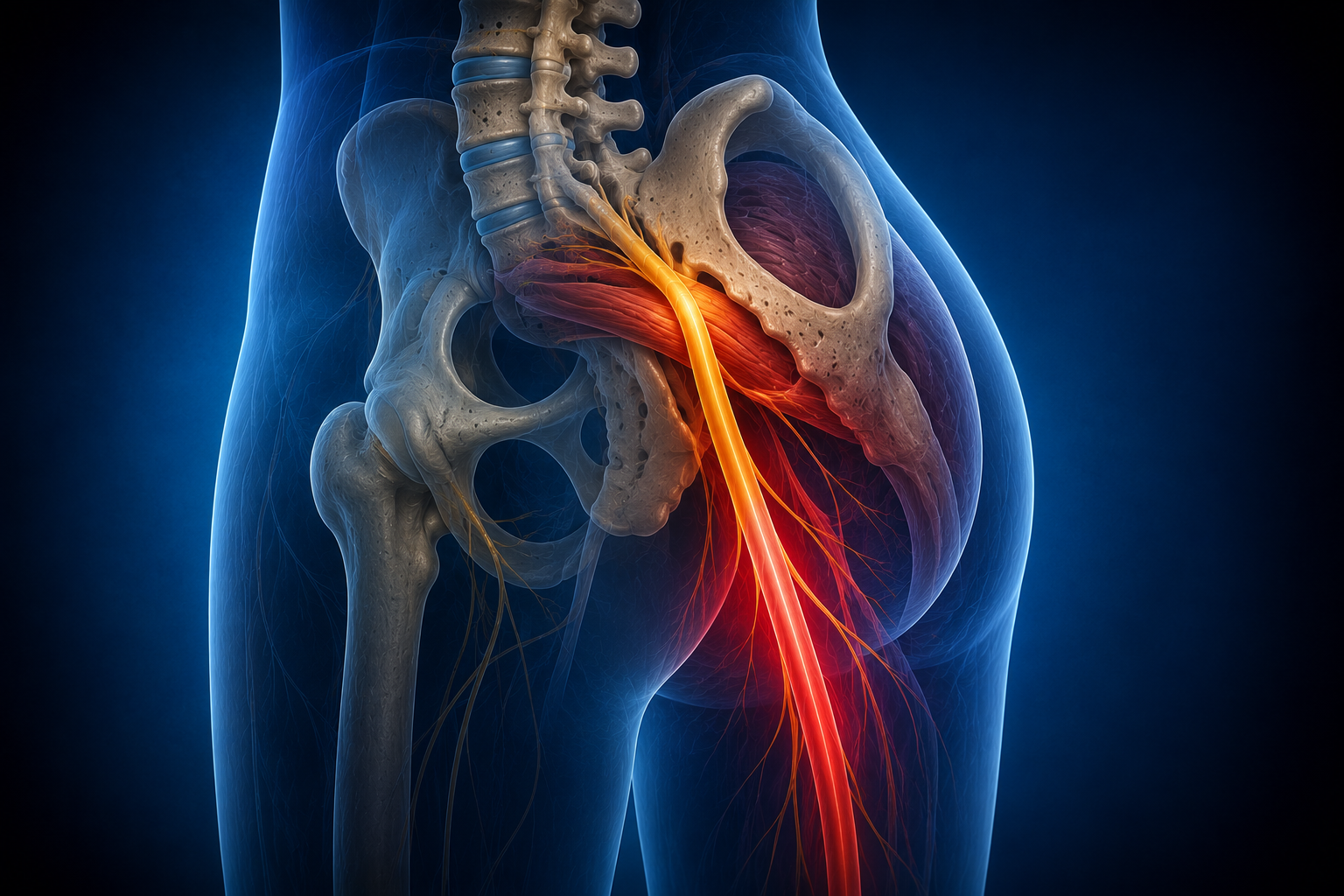
Sciatica and radiculopathy
Chronic neck and arm pain
A prospective multicenter study of high-frequency 10 kHz SCS showed significant and sustained improvements in cervical pain and upper extremity symptoms.
In general, SCS is considered when a patient has had chronic pain for at least 6 months, has tried and not achieved adequate relief from more conservative treatments, and does not have an active infection or certain other medical contraindications. The most important factor is a thorough evaluation — which our team at Tulsa Midtown
and Lewisville
takes seriously every time.
The trial period — why SCS is unique among pain treatments
This is one of the most important things to understand about SCS — and one of the reasons I find it such a compelling option for the right patient.
Unlike surgery, you try it before you commit.
Before any permanent device is implanted, we perform a trial — a temporary test of the system that typically lasts 7 to 10 days. During the trial, thin leads are placed near your spinal cord through a needle (no incision) and connected to an external device you wear on your body.
You go home and live your normal life for that week — working, sleeping, moving around — while keeping a simple pain diary. If you experience significant pain reduction (typically 50% or more), we proceed to the permanent implant. If it does not help, the leads are removed and nothing permanent has been done to your body.
The SCS trial — step by step
1
Consultation
Full evaluation, imaging review, candidacy assessment
2
Trial placement
Leads placed through a needle, connected to external device. 30–60 min procedure
3
7–10 day trial
You go home and live normally. Keep a pain diary. Leads removed at end of trial
4
Decision
50%+ pain relief → proceed to permanent implant. Less relief → explore other options
5
Permanent implant
Small outpatient procedure. Device is internal. Back to light activity in 2–4 weeks
What does the clinical evidence show?
SCS has one of the strongest evidence bases of any interventional pain treatment. Here is what the most recent research demonstrates:
80%+
Responder rate in clinical studies
A 2025 systematic review of 777 patients found responder rates above 80% with average pain decreases of 5–6 cm on standardized pain scales. Source: Frontiers in Pain Research, 2025
40%
Reduction in opioid use
Studies consistently show significant reductions in opioid medication use after SCS — an important benefit beyond pain relief alone. Source: Frontiers in Pain Research, 2025
24 mo
Durable results for high-frequency SCS
A multicenter trial of high-frequency 10 kHz SCS for non-surgical refractory back pain showed durable responses at 24 months. Source: J Neurosurg Spine, 2023
30+
Point reduction in disability scores
Reductions of over 30 points in disability indices demonstrate that SCS improves function — not just pain scores. Source: Frontiers in Pain Research, 2025
An honest note from Dr. Patel
SCS is highly effective for the right patient — but it is not for everyone. A 2024 systematic review and network meta-analysis in JAMA Network Open confirmed SCS is superior to conventional medical management for chronic back and leg pain. However, outcomes vary by condition, device type, and patient factors. I always tell my patients: the trial period exists precisely so you don't have to take my word for it. You will know within a week whether it works for you.
What to expect — recovery and results timeline
You wear the external device at home. Most patients notice pain reduction within the first 1–3 days. Some feel it almost immediately. Keep your pain diary — this is your data.
Activity restrictions while the leads settle into position. Light walking is fine. Avoid heavy lifting, bending deeply, or twisting. Most patients return to desk work within 1–2 weeks.
Stimulation settings are fine-tuned by your SEVA team to optimize pain relief. This programming phase is important — small adjustments can make a significant difference in your results.
Most patients experience sustained relief. The battery typically lasts 5–10 years depending on usage, then is replaced in a simple outpatient procedure. The leads generally remain in place permanently.
"
I had two back surgeries and was still in constant pain. I couldn't sleep, couldn't play with my grandkids, could barely get through a day of work. Dr. Patel recommended the SCS trial and I was skeptical — I had been disappointed so many times. By day three of the trial my pain was down more than 60%. I got the permanent implant two months later and it has been over a year. I finally have my life back.
SEVA Healthcare patient — Tulsa, OK
★★★★★
Frequently asked questions about SCS
Will I feel the stimulation?
With modern high-frequency (10 kHz) and burst SCS — which is what we use at SEVA Healthcare — most patients feel nothing from the stimulation itself. The older paresthesia-based systems created a buzzing or tingling sensation. The newer systems work entirely below the threshold of sensation.
Can I have an MRI with an SCS device?
Many modern SCS systems are MRI-conditional — meaning MRI scans are possible under specific conditions and field strengths. This varies by device and system. Your SEVA team will help you select a device appropriate for your imaging needs and will provide documentation for any future MRI facility.
Is SCS reversible?
Yes — this is one of SCS's important advantages. The device can be turned off at any time, and the implanted components can be removed if needed. Nothing is permanently altered in your spine or nervous system. The trial period also lets you test the therapy fully before any permanent implant.
Does insurance cover spinal cord stimulation?
Medicare and most major commercial insurance plans cover SCS for approved indications when documentation of failed conservative treatment is provided. Coverage for the trial period and permanent implant is typically included. SEVA Healthcare's team handles all insurance verification and prior authorization before you proceed.
Can I still take pain medication with an SCS device?
Yes — SCS and medication are not mutually exclusive. Many patients continue with some medication, though clinical studies show a significant reduction in opioid use after successful SCS. The goal over time is to reduce dependence on medication, but this is a gradual process guided by your SEVA team.
What are the risks?
Like all implantable devices, SCS carries some risks including infection, lead migration (the wire moving out of position), hardware malfunction, and in rare cases neurological complications. The overall complication rate is low and most issues are manageable. Your SEVA specialist will discuss all risks specific to your situation during your consultation.
Where can I get SCS in Tulsa or Dallas?
SEVA Healthcare offers SCS evaluation, trial, and implantation at our Tulsa Midtown, South Tulsa, Lewisville, and Rowlett
clinics. Same-week consultations are available for new patients.
Explore more at SEVA Healthcare
Ready to find out if SCS is right for you?
Book a spinal cord stimulation consultation at SEVA Healthcare
Same-week consultations available in Tulsa and Dallas. Our team will review your history, imaging, and previous treatments to give you an honest assessment of whether SCS is likely to help — and if it is, we will walk you through every step.
OK: (918) 935-3240 · TX: (214) 306-4116 · sevahealthcare.com
This article is written for informational and educational purposes by Dr. Jayen Patel and does not constitute medical advice. Clinical data referenced from peer-reviewed sources including Frontiers in Pain Research (2025), Frontiers in Neurology (2025), JAMA Network Open (2024), Journal of Neurosurgery: Spine (2023), and JAMA Neurology. Individual results vary. Please consult a board-certified pain management specialist to determine whether spinal cord stimulation is appropriate for your specific condition. SCS is an FDA-approved treatment for specific indications; outcomes depend on patient selection, device type, and condition severity.