JP
Dr. Jayen Patel, MD
Board-Certified Pain Management Physician · Founder, SEVA Healthcare
14 min read
Key Takeaways
- Whiplash is the most common injury in rear-end crashes — even at low speed — and the pain often doesn’t fully appear for 24–72 hours.
- Untreated MVA neck and back pain can become chronic. Early intervention
in the first 6 weeks dramatically improves outcomes.
- The right treatment depends on what was injured: cervical facet joints, intervertebral discs, nerve roots, or soft tissue. Image-guided diagnosis matters.
- Common treatments at a true interventional pain clinic: image-guided injections, radiofrequency ablation, peripheral nerve blocks, and for the most stubborn cases, spinal cord stimulation.
- SEVA Healthcare accepts MVA claims at all locations — Tulsa, Lewisville, Rowlett, and New Mexico
— and works directly with attorneys and insurance carriers.
If you have been in a car accident in Tulsa, Dallas, or New Mexico and you’re still in pain days or weeks later, the next few decisions you make can determine whether that pain resolves — or becomes a chronic problem you live with for years.
This guide explains what actually gets injured in a motor vehicle accident, why the pain often shows up days after the crash, what treatments are proven to help, and how an interventional pain management clinic fits into your recovery.
Written by the doctors at SEVA Healthcare, with care for MVA patients across Texas, Oklahoma, and New Mexico.
What actually gets injured in a car accident
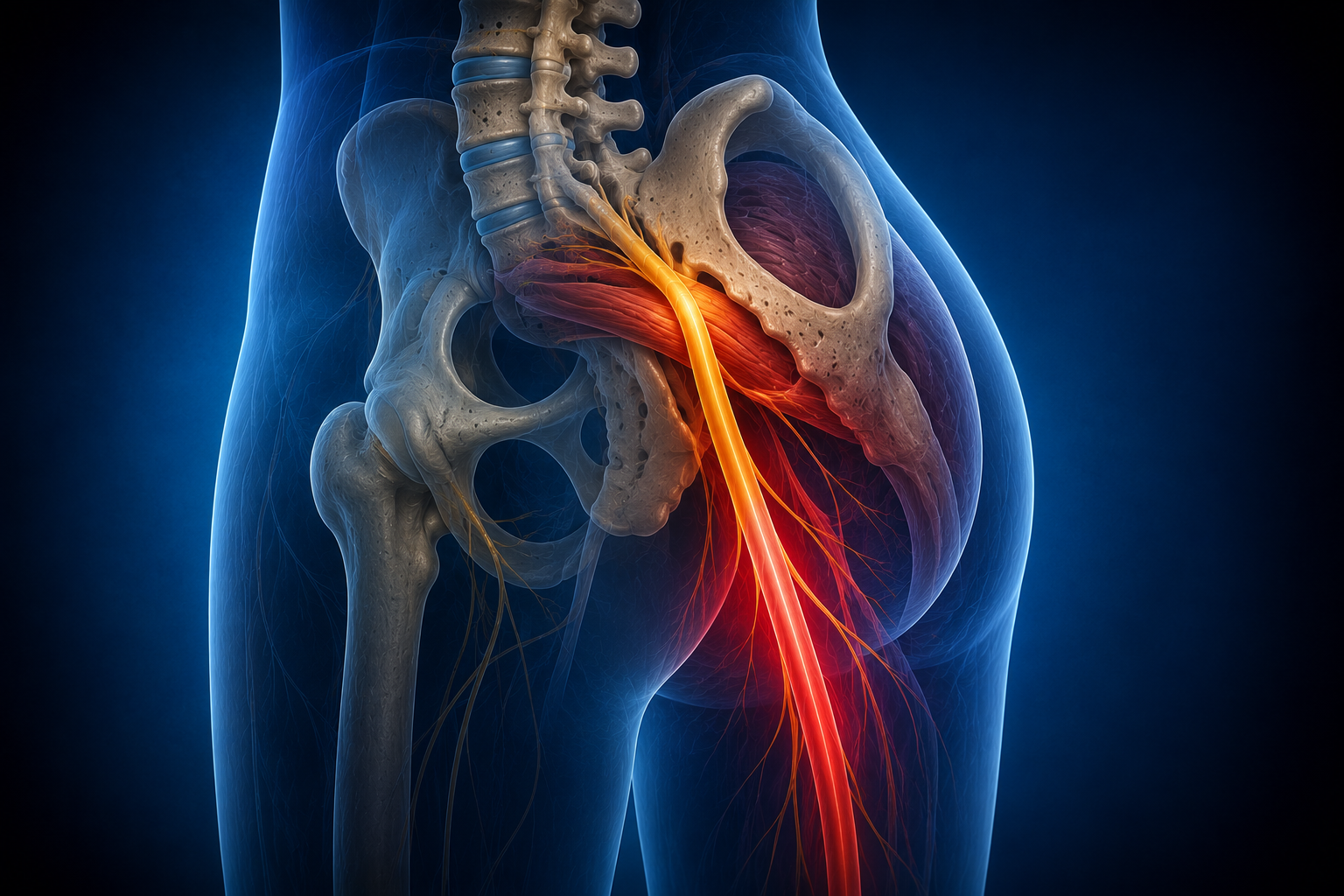
In a rear-end collision, your head and neck whip forward and back faster than the neck’s muscles can react. Even at 5–10 mph, that movement can damage:
- Cervical facet joints
— the small paired joints in the back of the neck. These are the single most common source of chronic post-MVA neck pain.
- Intervertebral discs
— can bulge or herniate, irritating nearby nerves.
- Nerve roots
— compression from disc material or inflammation causes radiating pain into the arm, hand, or fingers.
- Muscles, ligaments, and soft tissue
— the source of the early, diffuse soreness most patients feel in the first week.
- Brain and inner ear
— in higher-energy crashes, concussion, post-concussion syndrome, and persistent headaches.
Why pain often appears 24–72 hours later
Adrenaline and shock at the moment of impact suppress pain. Inflammation builds over the next 1–3 days, and the deep facet joint, disc, and nerve irritation only becomes obvious once the body stops protecting itself. This is normal
— and it is also why MVA patients shouldn’t accept a quick “you’re fine” assessment in the ER.
Common post-MVA pain conditions we treat
| Post-MVA condition |
What it feels like |
Typical treatments |
| Whiplash / cervical strain |
Stiff neck, headache at the base of the skull, shoulder soreness |
PT, facet injections, RFA if chronic |
| Cervical facet pain |
Deep neck pain, worse turning the head |
Facet injections, medial branch block, RFA |
| Disc herniation / radiculopathy |
Arm or leg pain, numbness, tingling |
Transforaminal epidural, selective nerve root block |
| Lumbar strain / sacroiliac pain |
Low back pain, buttock pain |
SI joint injection, lumbar facet RFA |
| Post-traumatic / occipital headache |
Headache starting at base of skull |
Occipital nerve block, Botox, ketamine |
| CRPS / complex regional pain |
Severe burning pain, hypersensitivity in a limb |
Sympathetic blocks, SCS, PNS |
| Failed conservative care after MVA |
Pain persisting beyond 3–6 months |
SCS, PNS, intrathecal pump |
The 6-step interventional pathway after a car accident
1
Initial evaluation & imaging review
Full history, physical exam, and review of any X-ray, MRI, or CT you have. If imaging is incomplete, we order the right study.
2
Diagnostic injection (if needed)
A precise, image-guided injection of local anesthetic into a suspected pain generator (facet joint, nerve root). If pain temporarily resolves, we’ve confirmed the source.
3
Therapeutic injection
Once the source is confirmed, a longer-acting injection with steroid can provide weeks-to-months of relief while soft-tissue healing continues.
4
Radiofrequency ablation if pain returns
If pain returns after injection relief wears off, RFA can disable the pain-carrying nerves for 9–18 months — especially effective for chronic facet pain from whiplash.
5
Physical therapy in parallel
Procedures address the inflammation; PT rebuilds the strength and movement patterns the crash disrupted. We coordinate with PT providers throughout treatment.
6
Advanced therapies for stubborn cases
For the small percentage of MVA patients whose pain doesn’t respond to standard treatment, spinal cord stimulation, peripheral nerve stimulation, or intrathecal pump therapy can provide long-term relief.
Working with attorneys and insurance carriers
MVA cases require specific documentation that many smaller practices struggle with. Our team is experienced with:
- Letter of Protection (LOP)
billing for patients with personal-injury attorneys.
- Coordination with auto-insurance medical payments (MedPay)
coverage.
- Subrogation
documentation when health insurance pays first and is reimbursed at settlement.
- Detailed causation and impairment letters
for legal counsel.
- Direct communication with personal injury attorneys throughout Tulsa, Dallas-Fort Worth, and New Mexico.
You do not need an attorney to be seen
for post-MVA pain. If you have auto-insurance MedPay, health insurance, or you’re paying out-of-pocket while you sort things out, our billing team can work with you.
SEVA Healthcare locations accepting MVA cases
Frequently asked questions about MVA pain treatment
How soon after a car accident should I see a pain specialist?
Sooner is better. Even if the ER cleared you, see a pain or musculoskeletal specialist within 1–2 weeks if pain persists. Early intervention dramatically reduces the chance of chronic pain.
My pain started 3 days after the crash. Is that normal?
Yes — it’s extremely common. Adrenaline suppresses pain at the moment of impact, and inflammation builds over the next 24–72 hours. Delayed onset doesn’t mean the injury isn’t real.
Do you take MVA insurance and personal-injury attorney cases?
Yes. SEVA Healthcare accepts MVA claims at all six clinic locations across Texas, Oklahoma, and New Mexico. We work with auto MedPay, Letter of Protection arrangements through your attorney, and standard health insurance.
Do I need an attorney to be seen?
No. You can be seen with auto MedPay coverage, with health insurance, or as a self-pay patient. Many MVA patients see us before deciding whether to retain a lawyer.
Can interventional pain procedures help with whiplash?
Yes. Cervical facet joint injections and medial branch blocks confirm whether the facet joints are the pain source. If they are, radiofrequency ablation can provide 9–18 months of relief and break the chronic-pain cycle.
What if I’ve had pain for years from an old accident?
It is not too late. Many of our long-term MVA patients have had pain for 5+ years before finding the right diagnosis. We routinely identify the specific structures still causing pain and design a targeted plan.
Will treatment require opioids?
No. SEVA is an interventional pain practice. Our treatments target the source of pain with image-guided procedures and regenerative therapies. Long-term opioid prescribing is not our model.
Related articles from SEVA Healthcare
Take the next step
Get evaluated by a board-certified pain doctor after your accident
Same-week appointments at all six SEVA Healthcare locations. We work with your attorney, your auto insurance, or your health plan — whatever you have.
OK: (918) 935-3240 · TX: (214) 306-4116 · NM: (505) 431-2501
Informational only; not medical advice. Written by Dr. Jayen Patel, MD, founder of SEVA Healthcare. Medically reviewed by Dr. Amit Mirchandani, MD. Last updated May 19, 2026.