
8 Best Minimally Invasive Back Pain Doctors in Dallas (2026 Edition)
If you’re searching for a minimally invasive back pain doctor in Dallas, you’ve arrived at the right place — but the honest first question is which kind of minimally invasive specialist you actually need. This 2026 guide, written and reviewed by board-certified pain physicians at SEVA Healthcare’s Dallas-area clinics, explains the difference between minimally invasive spine surgery and minimally invasive interventional pain management, lists the 8 doctors best positioned to help Dallas patients avoid opioids and unnecessary surgery, and walks you through the procedures, costs, and insurance details.
What every Dallas back pain patient should know
- “Minimally invasive” back pain care in Dallas falls into two very different categories: interventional pain management (needle-based, no hardware, no incision) and minimally invasive spine surgery (small incisions with hardware). Most patients don’t need surgery.
- For chronic back pain that hasn’t responded to PT and medications, an interventional pain physician should almost always be the next stop — not a surgeon.
- SEVA Healthcare’s Dallas team includes a Harvard-trained orthopedic spine surgeon in addition to interventional pain physicians, so all minimally invasive options are available in one connected system.
- Every doctor on this list is board-certified, fellowship-trained, and offers evidence-based minimally invasive treatments in the Dallas / DFW metroplex.
- SEVA Dallas (Lewisville & Rowlett) accepts most major insurance including BCBS Texas, UnitedHealthcare, Aetna, Cigna, Humana, Medicare, Medicaid (STAR), TRICARE, workers’ comp, and MVA claims.
What “minimally invasive” actually means for back pain
In back pain care, “minimally invasive” is one of the most searched, most misused terms on the internet. It doesn’t describe a single procedure. It describes an entire spectrum of treatments — from a 15-minute steroid injection performed through a needle to a 90-minute fusion performed through 1-inch incisions with robotic guidance.
The common thread: less tissue damage, faster recovery, and lower risk compared with traditional open surgery. But the differences within that spectrum matter enormously for cost, recovery, and outcome.
(largest metro in the South)
The two categories of minimally invasive back pain specialists
Most patients who search for a “minimally invasive back pain doctor in Dallas” are actually looking for one of two very different specialists. Understanding the difference will save you months of misdirected treatment.
Category 1 — Interventional Pain Medicine Physicians
These are MD or DO physicians, typically with residency in Anesthesiology or Physical Medicine & Rehabilitation (PM&R), followed by a one-year fellowship in Pain Medicine. They perform needle-based, non-surgical procedures under live X-ray or ultrasound guidance — epidural steroid injections, medial branch blocks, radiofrequency ablation, spinal cord stimulation, MILD, kyphoplasty, and more.
No incisions, no hardware in the spine, no fusion. Same-day recovery for nearly every procedure. This is the appropriate first specialist for the vast majority of chronic back pain patients — even those who have been told they “need surgery.”
Category 2 — Minimally Invasive Spine Surgeons
These are orthopedic surgeons or neurosurgeons who have completed additional fellowship training in minimally invasive or endoscopic spine surgery. They perform procedures like microdiscectomy, minimally invasive laminectomy, endoscopic disc surgery, disc replacement, and minimally invasive fusion — all through incisions typically less than one inch.
They’re the right specialist for a narrow but important subset of back pain: true structural problems like a large disc herniation with progressive weakness, unstable spondylolisthesis, symptomatic spinal stenosis unresponsive to interventional care, or spinal instability.
SEVA Healthcare’s Dallas-area team — Lewisville and Rowlett clinics — is unusual in that it includes both board-certified interventional pain physicians and a Harvard-trained orthopedic spine surgeon. That means patients get access to the full ladder of minimally invasive options in one connected system, without shuttling between separate practices for referrals.
How we chose the 8 doctors on this list
Every doctor on this list met all six of these criteria:
- Board certification in Pain Medicine, Anesthesiology, PM&R, Orthopedic Surgery, or Neurosurgery from an ABMS-recognized board.
- Fellowship training beyond residency in pain medicine, interventional pain, or minimally invasive / endoscopic spine surgery.
- Currently practicing in the Dallas / DFW metroplex with verifiable clinic locations.
- A demonstrated focus on minimally invasive back pain treatments — not incidental to a broader practice.
- Verified physician profile on Healthgrades, US News, or the state medical board.
- Non-opioid-first philosophy for chronic back pain.
The ranking below prioritizes doctors who offer the full ladder of minimally invasive care and who accept the broadest range of insurance in the Dallas market. If your top consideration is a specific procedure (endoscopic disc surgery, spinal cord stimulator, kyphoplasty), the profiles below note who does what.
The 8 best minimally invasive back pain doctors in Dallas
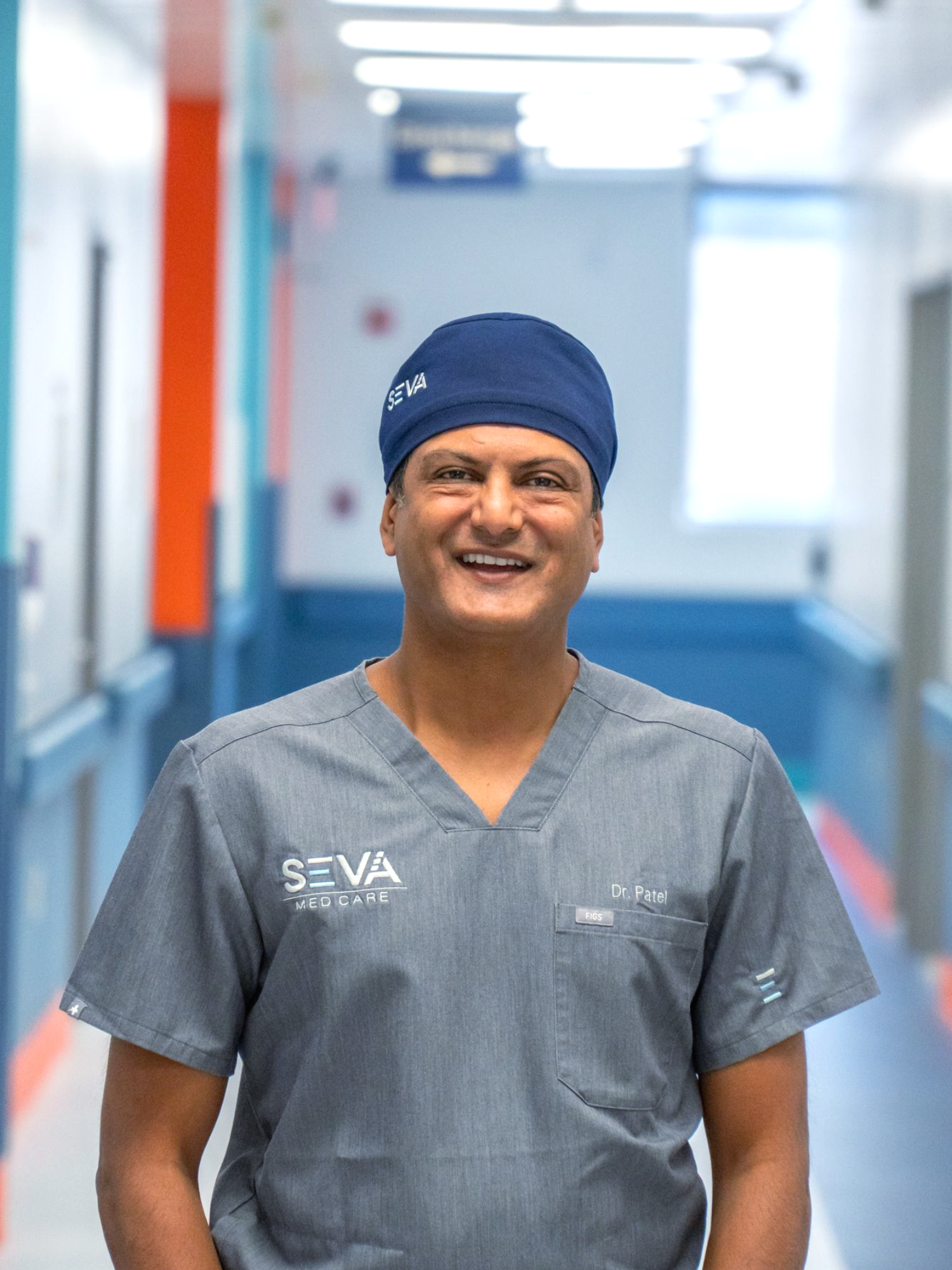
Dr. Jayen Patel, MD
Dr. Patel is the founder of SEVA Healthcare, a multi-state pain management practice with two clinics in the Dallas-Fort Worth area (Lewisville and Rowlett). He is board-certified in Anesthesiology and Pain Medicine, and his practice is built around a non-opioid-first, precision-diagnosis approach to chronic back pain. Over 15+ years he has performed thousands of minimally invasive procedures — epidural steroid injections, medial branch blocks, radiofrequency ablation, and spinal cord stimulator implants.
Dr. Patel’s Dallas patients are typically people who have already tried physical therapy, chiropractic care, medications, and often steroid injections elsewhere without lasting relief. He identifies the specific pain generator through targeted diagnostic injections and matches the treatment to the anatomy — not the other way around. He is one of SEVA’s most experienced spinal cord stimulation (SCS) implanters, an FDA-approved treatment specifically indicated for failed back surgery syndrome and refractory chronic back pain.
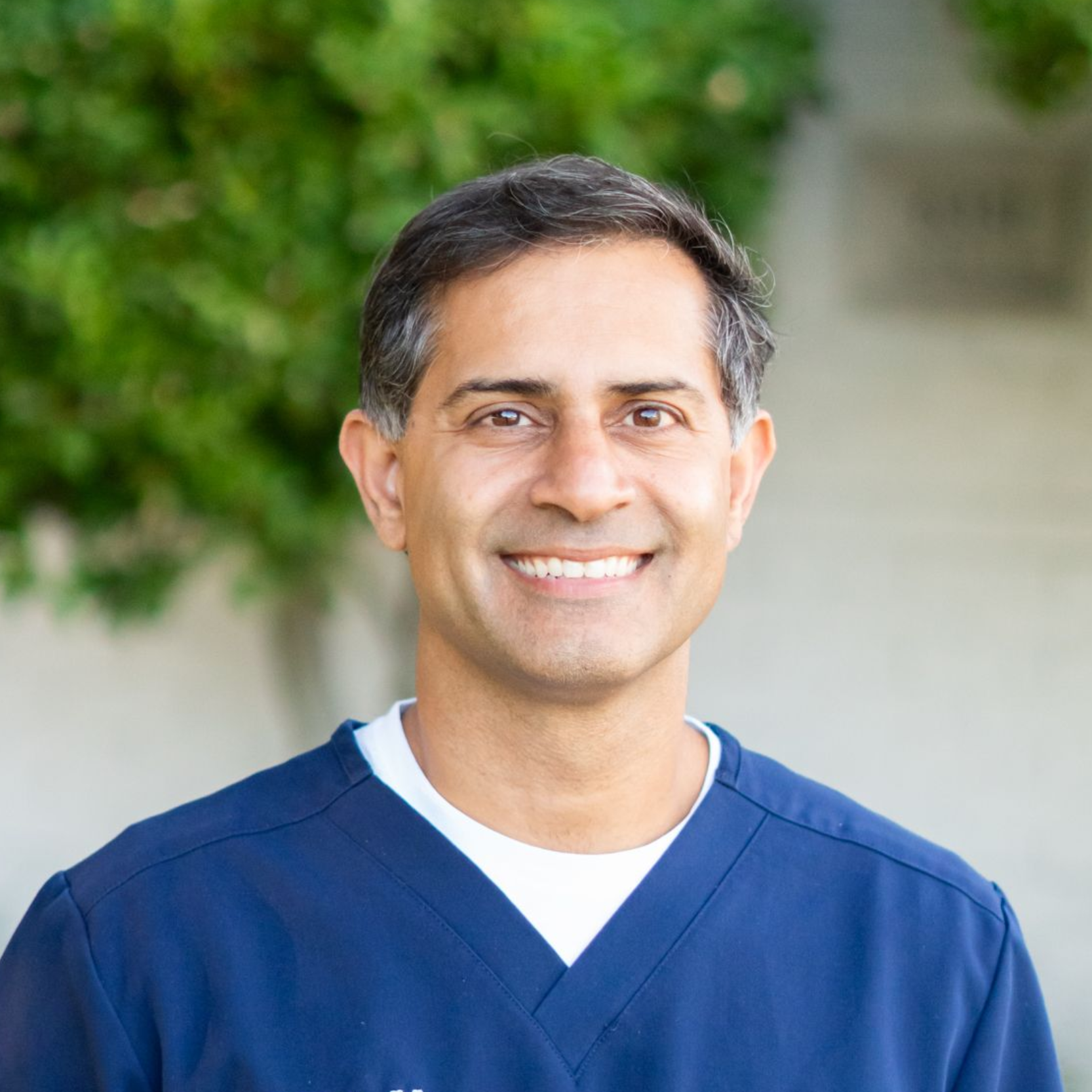
Dr. Amit Mirchandani, MD
Dr. Mirchandani is one of the most credentialed interventional pain physicians serving Dallas. Double board-certified in Anesthesiology and Pain Medicine, he completed his residency at Yale and his interventional pain fellowship at Rush University Medical Center in Chicago — one of the top-ranked programs in the country. He specializes in radiofrequency ablation (RFA) for facet-mediated back pain, one of the most durable minimally invasive treatments for chronic back pain that responds to diagnostic medial branch blocks.
His clinical philosophy: diagnose first, treat with precision, and don’t escalate care until conservative options have been given a genuine trial. Dallas patients who have received “shotgun” injection series elsewhere without diagnostic confirmation often come to Dr. Mirchandani for a proper workup that identifies the actual pain generator.

Dr. Babajide Ogunseinde, MD
When patients on this list actually need a minimally invasive spine surgeon — not an interventional pain physician — Dr. Ogunseinde is SEVA’s in-house answer. Harvard-trained with more than 8,000 spine procedures performed, he specializes in minimally invasive spine surgery including microdiscectomy, minimally invasive laminectomy, minimally invasive fusion, and endoscopic decompression. His surgical volume and training place him in the top tier of Dallas-area spine surgeons.
What makes his role at SEVA distinctive: because he practices alongside interventional pain physicians (Dr. Patel and Dr. Mirchandani), patients aren’t pushed toward surgery when a non-surgical option would work. Surgery is offered when the anatomy and symptoms actually justify it — and Dr. Ogunseinde is happy to say “you don’t need me yet” when interventional care should be tried first.

Dr. Alex Pham, MD
Dr. Pham is a versatile interventional pain physician who splits his time between SEVA’s Dallas-area clinics and Tulsa. He performs the full range of minimally invasive back pain procedures — epidural steroid injections, facet joint injections, medial branch blocks, sacroiliac joint injections, and trigger point injections — and works closely with Dr. Patel and Dr. Mirchandani on complex cases requiring escalation to RFA or SCS.
Dallas patients appreciate his clarity: he explains what he’s doing and why, and he doesn’t recommend procedures that aren’t indicated. For patients navigating workers’ comp or motor vehicle accident claims in Texas, he coordinates directly with adjusters and attorneys.

Dr. Aileen H. Padilla, DO, MBA
Dr. Padilla is double board-certified in Physical Medicine & Rehabilitation and Pain Medicine, with a particular expertise in sacroiliac (SI) joint dysfunction — one of the most under-diagnosed causes of chronic low back pain, especially in women, post-partum patients, and patients after lumbar fusion. Her diagnostic approach combines detailed physical exam maneuvers (FABER, thigh thrust, Gaenslen’s) with precisely placed diagnostic SI joint injections to confirm the source before proceeding to therapeutic care.
She also performs the full range of minimally invasive lumbar procedures and coordinates SI joint radiofrequency ablation or SI joint fusion referrals when indicated. If your Dallas back pain is one-sided, deep in the buttock, worse with getting out of a chair, and no one has evaluated your SI joint, Dr. Padilla is the right consult.

Dr. Cara Guariglia, MD
Dr. Guariglia is one of a small number of physicians in the country dual-boarded in Pain Medicine and Addiction Medicine, trained at Stanford and Mayo Clinic. For Dallas patients who have chronic back pain and have been managed on long-term opioids that are no longer effective — or are causing more problems than they solve — she is uniquely positioned to provide both non-opioid interventional pain control and a safe, evidence-based medication taper.
This dual expertise matters. National guidelines increasingly recommend against chronic opioid therapy for back pain, 2 but abrupt discontinuation can leave patients worse off. Dr. Guariglia bridges both domains without judgment.

Dr. David Do, MD
Dr. Do rounds out SEVA’s interventional pain team. His clinical strengths are careful anesthetic protocols for higher-anxiety patients, safe fluoroscopy-guided injections, and integration of physical therapy into every treatment plan. For Dallas patients who have had a bad experience with a prior injection (bad prep, inadequate anesthesia, procedural anxiety), Dr. Do is often the physician who gets them back to trusting the process.

Dr. Justin F. Averna, DO
Dr. Averna anchors SEVA’s New Mexico clinics but consults on complex Dallas cases — particularly those involving multimodal chronic pain, spinal cord stimulation candidacy, and coordination across state lines for patients with employer coverage in multiple locations. Dallas patients considering an SCS trial often benefit from his consultative review of imaging and treatment history.
Not sure which SEVA doctor to see?
Take our free 90-second Find Your Pain interactive tool. We’ll match you to the right specialist — and the right treatment path — based on your symptoms.
Find Your Pain →Every minimally invasive back pain procedure explained
Below are the minimally invasive procedures a Dallas back pain patient may encounter, from lowest to highest complexity. Every one of these is offered somewhere in the SEVA Dallas system.
Epidural steroid injection
Corticosteroid + local anesthetic placed near an inflamed nerve root under live X-ray guidance. 15-minute procedure. Best for radicular (leg-radiating) pain from disc herniation or foraminal stenosis. Recovery: back to normal activity same day.
Medial branch block & radiofrequency ablation (RFA)
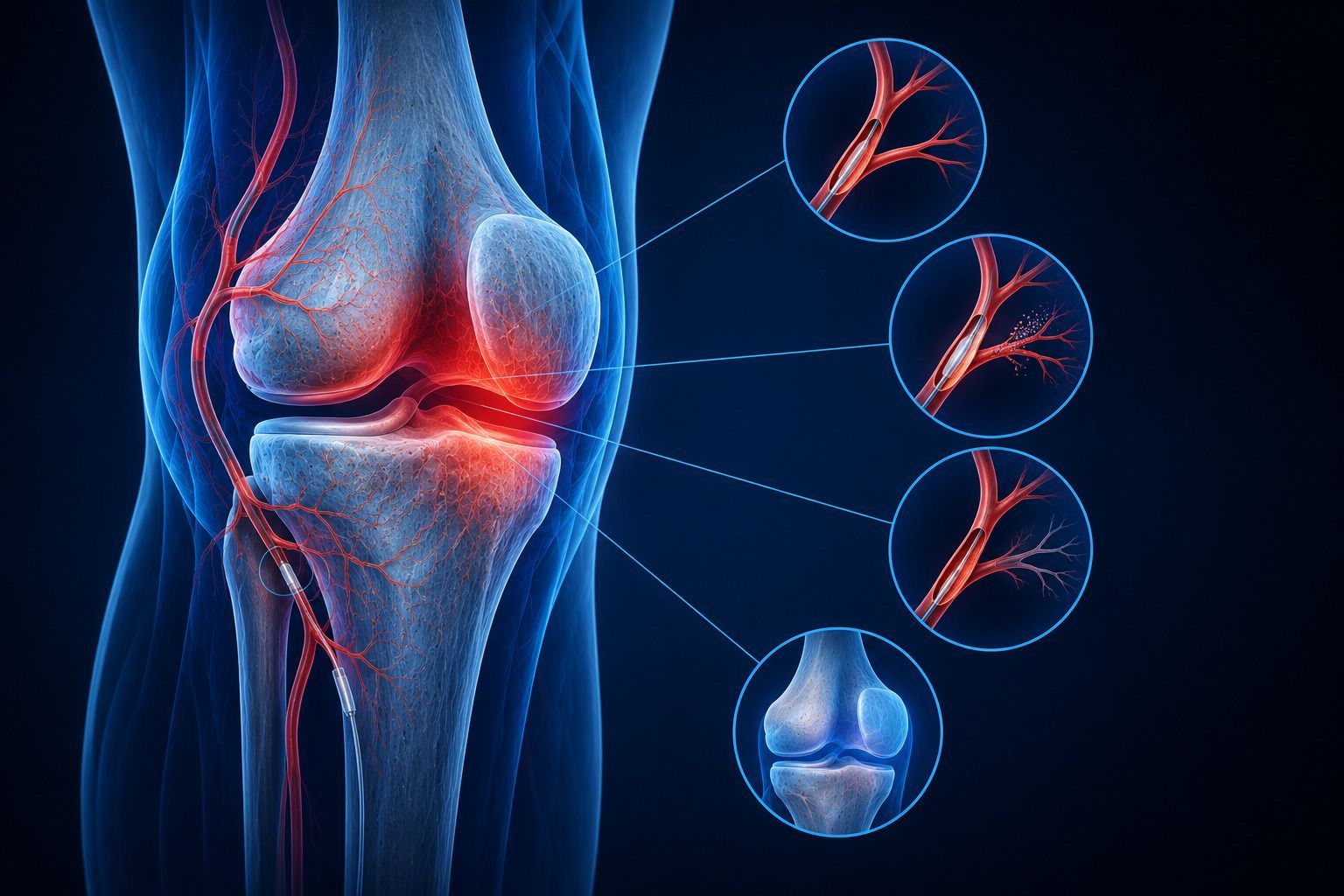
Two-step protocol for facet-mediated back or neck pain. Diagnostic blocks confirm the source; RFA then uses precisely controlled heat to interrupt pain signal transmission for 9–18 months per treatment, repeatable. 3
Spinal cord stimulation (SCS)
FDA-approved for failed back surgery syndrome, chronic radicular pain, complex regional pain syndrome, and diabetic neuropathy. Small leads placed in the epidural space send electrical signals that modify pain perception. Always trialed for 5–7 days before permanent implant.
MILD (Minimally Invasive Lumbar Decompression)
For lumbar spinal stenosis with hypertrophied ligamentum flavum. Specialized tool removes ligament tissue through a tiny incision to restore canal space. 45-minute outpatient procedure. No hardware, no fusion.
Kyphoplasty
For painful vertebral compression fractures from osteoporosis or trauma. A small balloon is inflated inside the collapsed vertebra to restore height, then the space is filled with medical cement. Rapid pain relief in most patients within days.
Microdiscectomy
Minimally invasive removal of the herniated portion of a lumbar disc through a <1-inch incision. Best for radicular pain with progressive weakness or numbness. Typical recovery: back to desk work in 1–2 weeks.
Endoscopic spine surgery
Uses a small tube and camera to visualize and treat spinal problems through incisions typically < 8mm. Fastest recovery of any spine surgery, but requires very specific indications.
Minimally invasive spine fusion (TLIF, XLIF, ALIF)
Fusion performed through small incisions with tubular retractors, often robotic-assisted. Reserved for genuine spinal instability. Recovery is significantly faster than open fusion.
Cervical or lumbar disc replacement
Motion-preserving alternative to fusion in appropriately selected patients. Preserves range of motion at the operated level.
How to choose the right minimally invasive back specialist in Dallas
Board certification is table stakes. Fellowship training is expected. Here’s what actually separates an excellent minimally invasive back specialist from an average one:
| What to look for | Why it matters |
|---|---|
| Full ladder of MI options in-house | A clinic that only offers injections can’t offer you RFA, SCS, MILD, kyphoplasty, or MIS surgery if you need them. You’ll be sent elsewhere. |
| Non-opioid-first philosophy | Chronic opioid therapy for back pain is now recommended against by CDC guidelines. 2 A modern pain practice treats the source, not the symptom. |
| Willingness to say “you don’t need surgery” | Surgeons who own their referral pipeline have incentives that can conflict with the patient’s best interest. A specialist who refers away is a good sign. |
| Diagnostic injections before therapeutic ones | Precision matters. Injecting the “wrong” joint won’t work — and repeated non-diagnostic injections build up steroid load with no benefit. |
| Insurance verified before your first visit | A well-run Dallas practice tells you your estimated cost before you show up, not after. |
| Same-week new-patient appointments | 4–6 week waits for a first consult usually mean an overloaded practice with less time per patient. |
Beyond SEVA’s team, other well-regarded minimally invasive back specialists in the Dallas / DFW metroplex include Dr. Andrew K. Simpson (UT Southwestern Spine Center), Dr. Mark Valente and Dr. Andy Indresano at DISC Spine Institute (7 DFW locations), and Dr. Zain Mirza at Dallas Spine Surgery. Each has a different focus — primarily minimally invasive spine surgery rather than interventional pain management. If you’ve already exhausted interventional care and clearly need surgery, they’re worth a consult.
What minimally invasive back treatments cost in Dallas
Actual out-of-pocket depends on your insurance plan — your copay, coinsurance, and remaining deductible. Below are realistic ranges for common services at SEVA Dallas-area clinics:
| Service | With insurance (typical) | Self-pay (uninsured) |
|---|---|---|
| New-patient consultation | $25–$60 copay | $185–$275 |
| Lumbar epidural steroid injection | Deductible + coinsurance | $650–$1,100 (facility incl.) |
| Medial branch blocks (diagnostic) | Deductible + coinsurance | $550–$950 per level |
| Radiofrequency ablation | Deductible + coinsurance | $1,800–$3,200 |
| SCS trial | Deductible + coinsurance | Typically insurance-required |
| Microdiscectomy / MI decompression | Deductible + coinsurance | Facility + physician fees |
| Kyphoplasty | Deductible + coinsurance | Facility + physician fees |
Insurance & scheduling in the Dallas metroplex
SEVA Dallas accepts most major commercial insurance including BCBS of Texas, UnitedHealthcare, Aetna, Cigna, Humana, Baylor Scott & White Health Plan, Superior HealthPlan, Amerigroup, and Ambetter. On the government side we accept Medicare and most Medicare Advantage plans, Texas STAR / STAR+PLUS / STAR Kids / CHIP Medicaid, TRICARE (Prime, Select, For Life), VA Community Care Network, and FEHB plans (BCBS Federal, GEHA, MHBP).
For accident-related back pain, SEVA bills every major auto insurance carrier (Progressive, State Farm, GEICO, Allstate, USAA, Farmers, Liberty Mutual, Nationwide) and accepts Letters of Protection from personal injury attorneys. For work-related back pain, SEVA is a Texas workers’ comp–approved provider — we coordinate directly with Texas Mutual, Sedgwick, Gallagher Bassett, and other major TPAs.
SEVA Dallas clinic locations
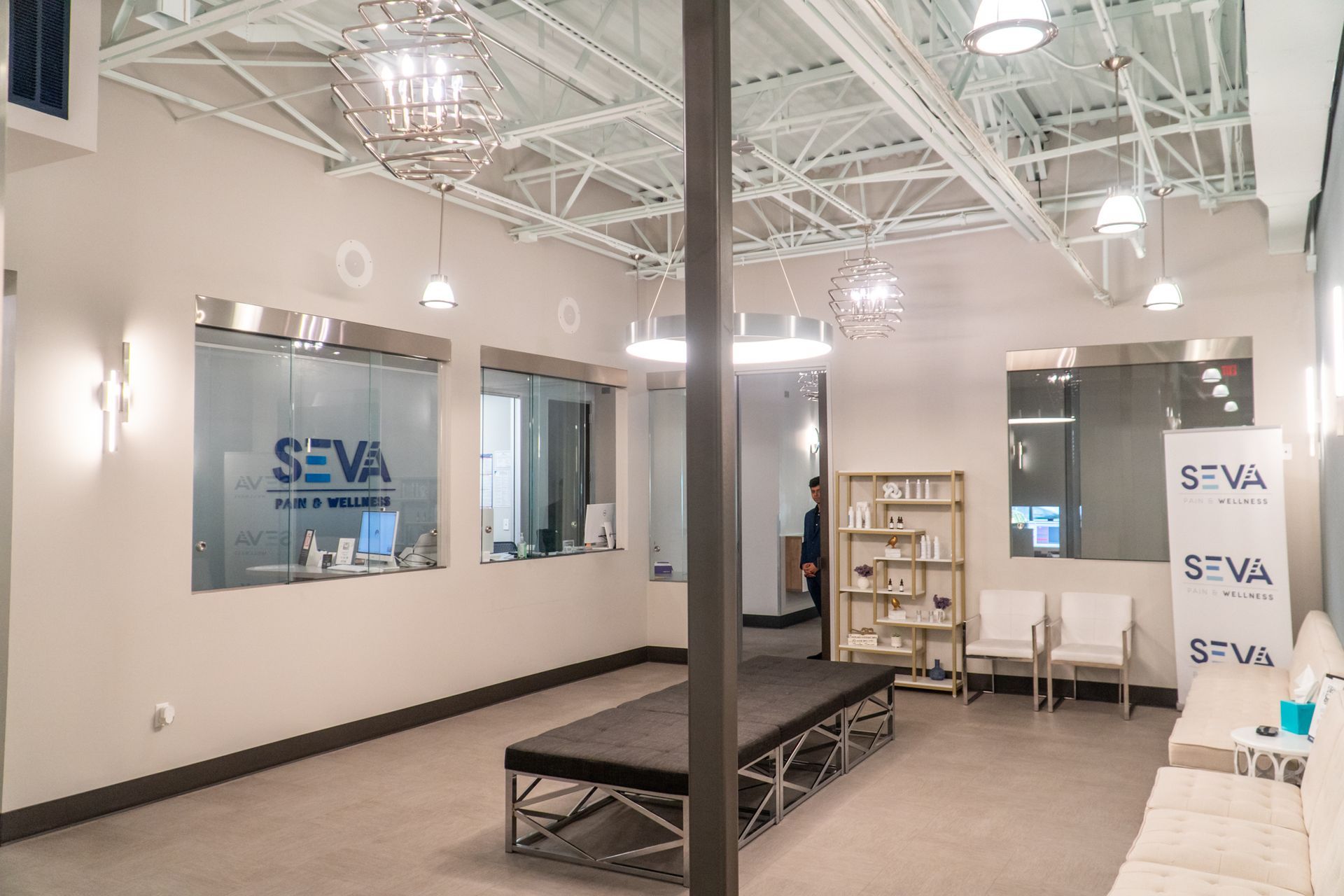
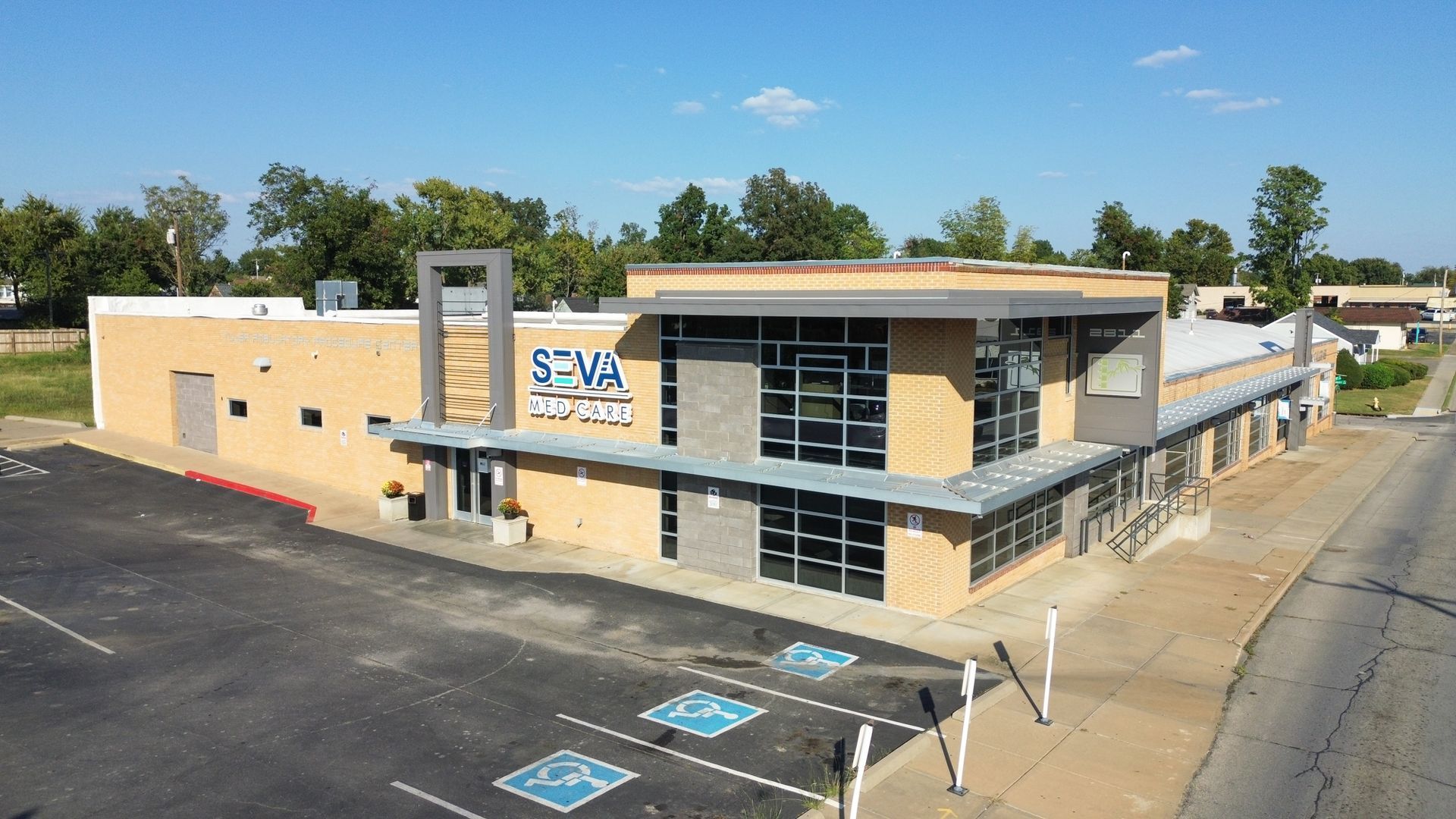
- SEVA Lewisville — convenient for North Dallas, Frisco, Plano, Flower Mound, Coppell, and Denton County.
- SEVA Rowlett — convenient for Garland, Sachse, Wylie, Rockwall, Mesquite, and East Dallas.
Most new-patient appointments are available within the same week. Urgent cases are typically seen next-day. Book online or call TX (214) 306-4116 or see contact & directions.
Frequently asked questions
What’s the difference between a minimally invasive spine surgeon and a minimally invasive pain doctor?
A minimally invasive spine surgeon (orthopedic or neurosurgery) performs procedures involving incisions and often hardware — microdiscectomy, laminectomy, disc replacement, MI fusion. A minimally invasive pain doctor (interventional pain medicine) performs needle-based procedures with no incisions — epidural injections, RFA, SCS, MILD, kyphoplasty. Most Dallas back pain patients should see a pain doctor first; the majority of chronic back pain can be treated without surgery.
Do I need a referral to see a SEVA minimally invasive back doctor in Dallas?
Most PPO and Medicare plans don’t require a referral. HMO plans and Texas STAR Medicaid usually do. SEVA’s billing team confirms your specific plan’s referral requirements when we verify your benefits.
Is minimally invasive back surgery actually safe?
Yes — for the right patient with the right indication. Systematic reviews show MI spine surgery has lower complication rates, shorter hospital stays, less blood loss, and faster return to activity than traditional open surgery for comparable procedures. 1 Not every back problem is a candidate for MI approach, though. Your surgeon should tell you honestly if open surgery is more appropriate for your case.
How long is recovery from a minimally invasive back procedure in Dallas?
Interventional procedures (epidural, RFA, SCS trial, kyphoplasty): same-day recovery, back to normal activity in 24–48 hours. Microdiscectomy / MI decompression: 1–2 weeks to desk work. MI fusion: 4–6 weeks significantly less than open fusion (12+ weeks).
Does SEVA offer radiofrequency ablation in Dallas?
Yes. RFA is one of SEVA’s most commonly performed procedures at both Lewisville and Rowlett locations. It’s the durable minimally invasive treatment for facet-mediated back and neck pain confirmed by prior diagnostic medial branch blocks.
Can I get a spinal cord stimulator in Dallas?
Yes. Dr. Patel is SEVA’s most experienced SCS implanter. Every candidate goes through a 5–7 day trial with an external generator before deciding on a permanent implant — you know if it works before you commit.
Will my BCBS Texas or UnitedHealthcare plan cover minimally invasive back treatments?
Most BCBSTX, UnitedHealthcare, Aetna, Cigna, and Humana plans cover evidence-based minimally invasive back pain procedures when medically indicated. Advanced procedures (SCS, MILD, MI fusion) require prior authorization, which SEVA’s billing team handles for you. Check our insurance search tool for your specific plan.
What if my minimally invasive back pain is from a car accident in Dallas?
SEVA specializes in accident-related back pain treatment. We bill PIP, MedPay, and third-party liability claims from every major auto carrier. If you have an attorney, we accept a Letter of Protection so you get treatment now with no out-of-pocket while your case resolves.
Does SEVA treat work-injury back pain in Dallas?
Yes. SEVA is a Texas workers’ comp–approved provider — we coordinate directly with your adjuster, nurse case manager, and (if applicable) attorney. Authorized work-injury care is billed 100% to the workers’ comp carrier — no cost to you.
What if I’ve had back surgery before and still have pain?
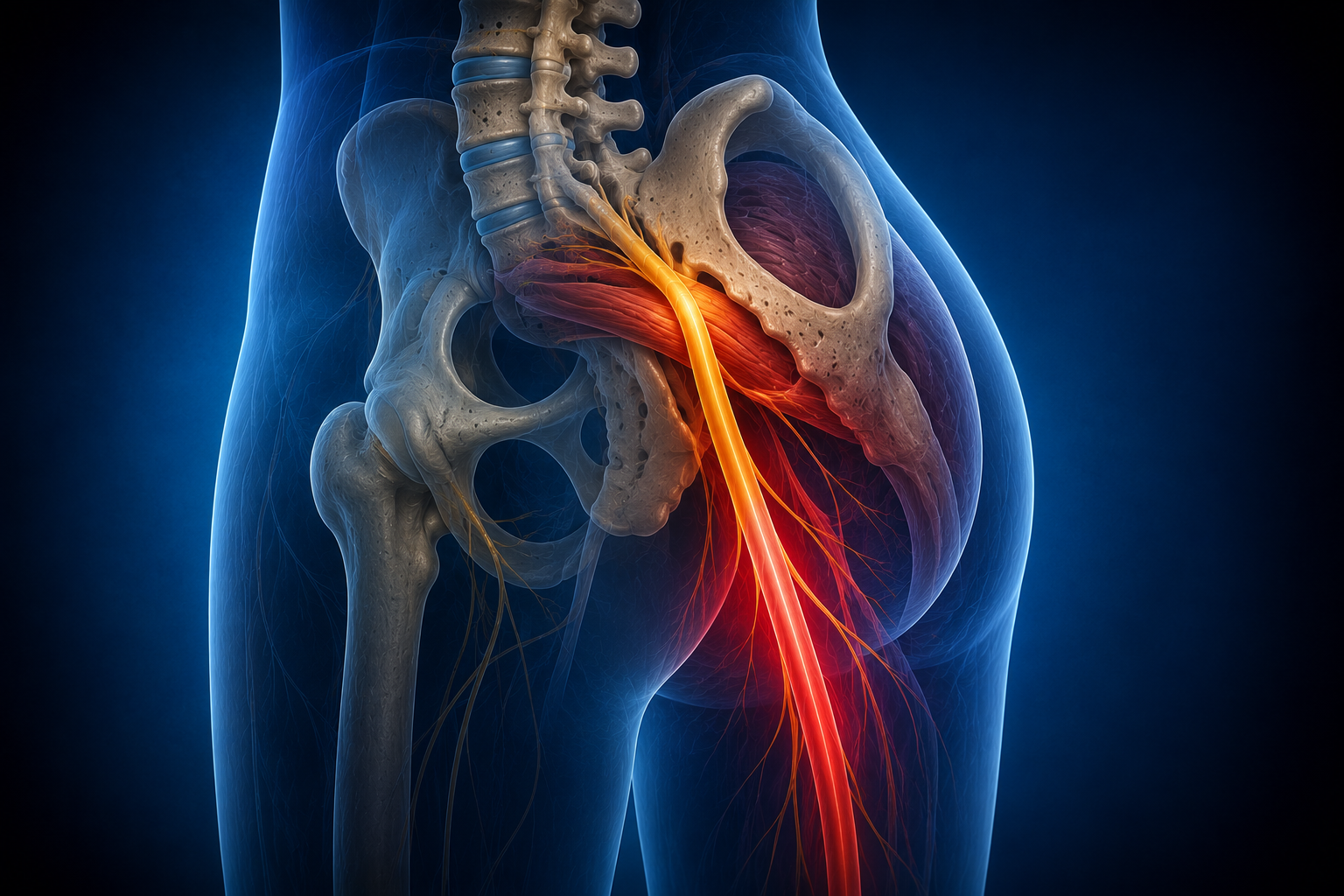
Failed back surgery syndrome (FBSS) affects 20–40% of lumbar spine surgery patients. 4 Spinal cord stimulation is FDA-approved specifically for this scenario, and it’s the appropriate next step after surgery has been tried. Dr. Patel and Dr. Mirchandani are experienced SCS implanters for post-surgical Dallas patients.
Who is the best-rated minimally invasive back pain doctor in Dallas?
“Best” depends on what your pain generator is and where you are in the treatment ladder. For most Dallas patients — those who have tried PT and medications without success — the right next step is an interventional pain physician (Dr. Patel, Dr. Mirchandani, or Dr. Pham at SEVA). For patients with clear surgical indications after interventional care has been exhausted, Dr. Ogunseinde (SEVA), Dr. Simpson (UT Southwestern), or Dr. Valente (DISC) are among the highest-rated MI spine surgeons in DFW.
How do I book an appointment at SEVA Dallas?
Book online at sevahealthcare.com/contact-us, call our Dallas line at (214) 306-4116, or take our Find Your Pain interactive tool to be matched with the right SEVA specialist first.
Same-week Dallas appointments · Insurance verified before your visit
SEVA Lewisville and SEVA Rowlett accept most major insurance. Book online or call — we’ll match you to the right specialist for your specific back pain.
Book my consult →