
Back Pain Treatment in Tulsa, OK — From Injections to Spinal Cord Stimulation
Whether your back pain is new, chronic, or has persisted despite surgery, SEVA Healthcare’s Tulsa pain physicians offer the full evidence-based treatment ladder — from image-guided injections and radiofrequency ablation to 10 kHz high-frequency spinal cord stimulation for refractory cases. Same-week appointments at Tulsa Midtown and South Sheridan.
- "Back pain" is five different problems wearing one label — discogenic, radicular (sciatica), facet, sacroiliac, and stenosis. Each has a different evidence-based treatment. The first step at SEVA Tulsa is a precise structural diagnosis, not a generic plan.
- The full SEVA Tulsa back pain ladder: conservative care → image-guided epidural steroid injection → facet RFA → minimally invasive decompression (MILD/Vertiflex) → 10 kHz high-frequency spinal cord stimulation (SCS) for refractory or post-surgical cases.
- Spinal cord stimulation — the most advanced rung on the ladder — achieves ≥50% pain relief in 70-80% of properly selected patients at 12 months for failed back surgery syndrome. The trial-before-permanent step (5-7 day external trial) is the key safeguard before implant.
- A 2025 meta-analysis of 72 RCTs and 7,701 patients confirmed transforaminal epidural steroid injections meaningfully reduce radicular back pain at 6-12 months in the majority of responders.
- Six SEVA Tulsa physicians treat back pain: Dr. Patel(SCS & refractory cases), Dr. Mirchandani(interventional spine), Dr. Pham, Dr. Do, Dr. Padilla(SI joint & MILD), and Dr. Ogunseinde(spine surgery for cases that need it).
- Back pain is 5 different problems
- The SEVA Tulsa back pain treatment ladder
- Image-guided injections
- Radiofrequency ablation
- MILD / Vertiflex (stenosis)
- Spinal cord stimulation (SCS) for refractory back pain
- When surgery is the right answer
- Which SEVA Tulsa doctors treat back pain
- Published evidence
- Insurance & cost in Tulsa
- Frequently asked questions
"Back pain" is five different problems wearing one label
Most chronic back pain in adults comes from one (or two) of these specific anatomic sources. The treatment for each is completely different:
The disc itself generates the pain. Worse with sitting, bending forward, lifting. Often centralized in the low back without leg symptoms. Treatment: PT + targeted injections; refractory cases may benefit from SCS or surgical fusion.
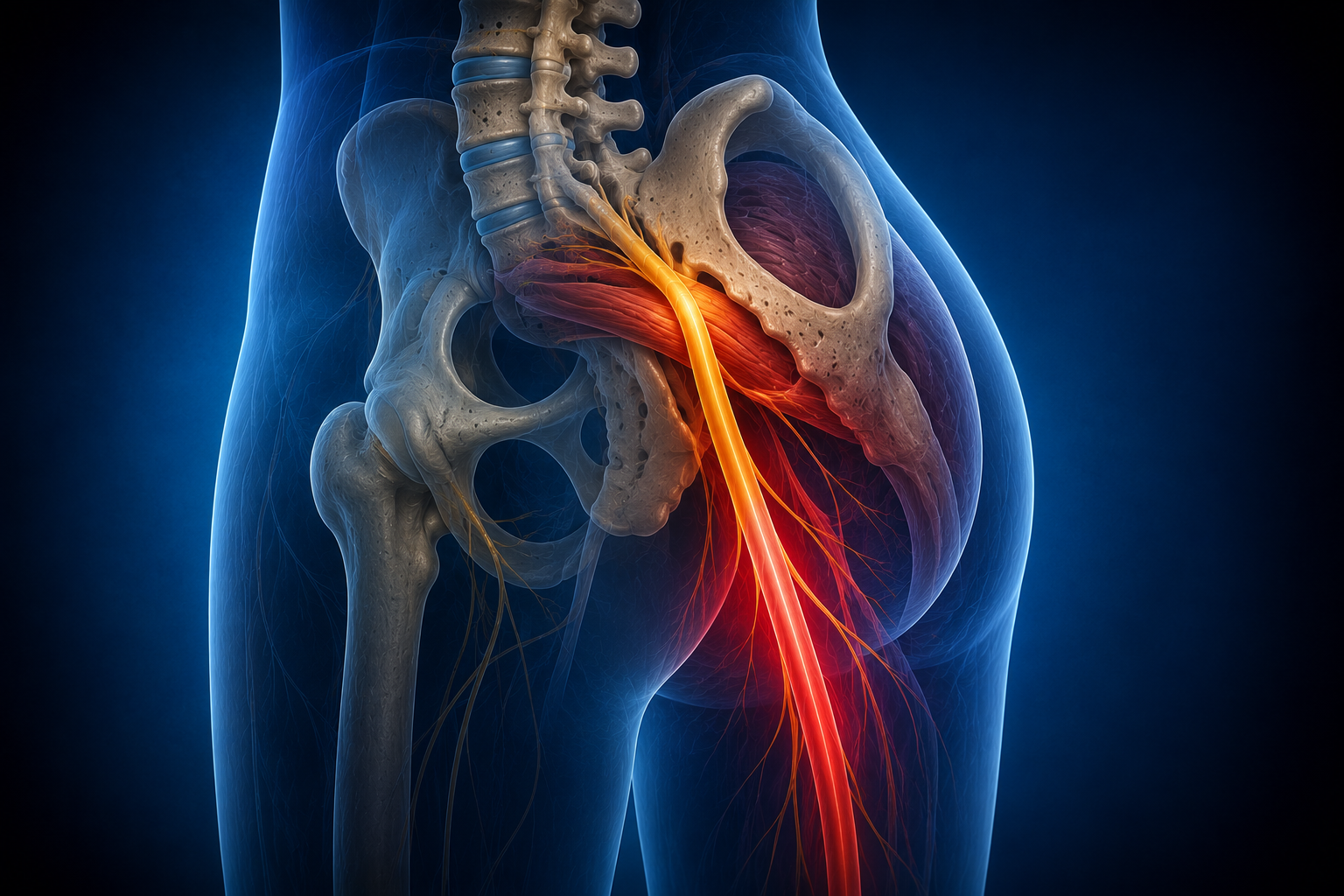
A nerve root is compressed. Pain shoots down the leg in a specific dermatomal pattern (L5 = top of foot; S1 = back of calf to heel). Treatment: transforaminal epidural steroid injection. See our sciatica guide.
The small joints at the back of the spine become arthritic. Worse with extension and rotation, better with sitting or leaning forward. Treatment ladder: facet injection → medial branch block → RFA.
Below the lumbar spine. Often presents as one-sided buttock pain that gets blamed on "the back." Treatment: SI injection → SI lateral branch RFA → SI joint fusion (Dr. Ogunseinde) for refractory cases.
The canal narrows; multiple nerves compressed. Pain worse with standing/walking, better with sitting or leaning forward. More common after 60. Treatment: epidural injection → MILD or Vertiflex spacer → surgical decompression for severe cases.
"Failed back surgery syndrome" — chronic pain persisting after spine surgery. This is where spinal cord stimulation shines: SCS is FDA-approved for FBSS with 70-80% durable response rates in selected patients.
A 50-year-old’s MRI usually shows several disc bulges, some facet arthropathy, maybe a little stenosis. The question isn’t "what does the imaging show?" — it’s "which finding is actually generating your pain?" That answer requires a physical exam and provocative testing, not just imaging. Once we identify the right structure, we match the treatment to it. That’s why SEVA Tulsa back pain patients don’t all get the same plan — they get the right plan for their specific structural diagnosis.
The SEVA Tulsa back pain treatment ladder
Modern interventional pain medicine works on an escalating ladder. We start with the least invasive evidence-based option, escalate only when needed, and never skip rungs:
| Rung | Treatment | For which pain type | Typical relief |
|---|---|---|---|
| 1 | Conservative care | All acute < 6 weeks | Most resolve |
| 2 | Transforaminal epidural | Radicular pain (disc herniation, sciatica) | 3-12 months |
| 3 | Medial branch block → RFA | Confirmed facet pain | 9-18 months, repeatable |
| 4 | SI joint injection → SI RFA | SI joint dysfunction | 3-18 months |
| 5 | MILD procedure | Stenosis with hypertrophied ligamentum flavum | Long-term in responders |
| 6 | Vertiflex / interspinous spacer | Neurogenic claudication, stenosis | Long-term |
| 7 | Spinal cord stimulation (SCS) | Failed back surgery, refractory radicular, diabetic neuropathy | Continuous, long-term |
| 8 | Surgical decompression / fusion | Progressive weakness, structural instability, severe stenosis | Definitive when indicated |
SEVA Tulsa offers every rung of this ladder in-house. You don’t get bounced between practices as your pain plan evolves — the same team that did your epidural will do your RFA, your SCS trial, and if you eventually need spine surgery, our orthopedic spine surgeon Dr. Ogunseinde is part of the same team.
Image-guided injections for back pain
For most chronic back pain patients in Tulsa, the first interventional step is a precisely-placed image-guided injection. SEVA performs all spine injections under live fluoroscopy with contrast confirmation:
- Transforaminal epidural steroid injection — for radicular pain (sciatica, herniated disc). Targets the specific nerve root with anti-inflammatory medication. Best-validated injection in pain medicine, with a 2025 meta-analysis of 7,701 patients confirming meaningful relief at 6-12 months.
- Facet joint injection — for facet-mediated low back pain. Both diagnostic (confirms the facet as the source) and therapeutic. Lasts weeks to a few months.
- Medial branch block — diagnostic injection that confirms whether RFA will work for facet pain. Required step before RFA.
- SI joint injection — for sacroiliac dysfunction. Both diagnostic and therapeutic.
- Caudal epidural — alternative epidural approach, particularly useful for post-surgical patients with altered lumbar anatomy.
Every injection at SEVA Tulsa is performed under live fluoroscopy by a fellowship-trained pain physician. We don’t do "blind" injections.
Radiofrequency ablation (RFA) for facet pain
When facet injections work well but the relief doesn’t last long enough, radiofrequency ablation is the next step. RFA uses controlled heat from a thin probe to interrupt the small medial branch nerve that carries facet pain signals — typically delivering 9-18 months of relief, and fully repeatable when the small nerve regenerates.
Lumbar facet RFA is supported by Level I-II evidence per 2019 SIS guidelines and the 2020 ASIPP comprehensive review. SEVA Tulsa physicians perform 100+ RFA procedures per year across our two Tulsa locations.
Full details: Radiofrequency Ablation in Tulsa — procedure, evidence, recovery, and doctor profiles →
Minimally invasive decompression for spinal stenosis
For patients whose back pain comes from lumbar spinal stenosis — the canal narrowing that causes neurogenic claudication (pain with standing/walking that gets better when leaning forward over a shopping cart) — two minimally invasive procedures sit between injections and open spine surgery:
- MILD procedure (Minimally Invasive Lumbar Decompression) — uses a small needle-like instrument to remove hypertrophied ligamentum flavum tissue that’s compressing the spinal canal. Outpatient, no implant, FDA-approved with multi-year outcome data. Good fit for patients whose stenosis is primarily due to thickened ligament rather than bony overgrowth.
- Vertiflex / interspinous spacer — a small titanium spacer placed between vertebrae that opens the canal when standing (the position that worsens stenosis pain). FDA-approved minimally invasive alternative to laminectomy for moderate stenosis.
Spinal Cord Stimulation (SCS) for refractory back pain in Tulsa
For back pain that hasn’t responded to injections, RFA, decompression, or surgery, spinal cord stimulation is the most advanced rung on the modern pain ladder. SCS uses a small implanted device to deliver mild electrical pulses to the spinal cord, modulating pain signals before they reach the brain.
SEVA Healthcare Tulsa has performed SCS implants for over a decade. Dr. Jayen Patel, our founder, is the most experienced SCS implanter in the SEVA network and has authored multiple patient guides on the procedure.
For patients with failed back surgery syndrome (FBSS), chronic refractory radicular pain, or painful diabetic peripheral neuropathy, modern 10 kHz high-frequency SCS achieves at least 50% pain relief in 70-80% of properly selected patients at 12 months — per Senza-PDN, Senza-RCT, and multi-center registry data.
The critical safeguard: a 5-7 day trial before permanent implant. You wear an external stimulator that’s connected to temporary leads in your epidural space. If you don’t get meaningful relief during the trial, you don’t move to permanent implant. This trial-first design is what makes SCS such a reliable last-resort option.
SCS procedure stages at SEVA Tulsa
Evaluation & psychological screening
Required pre-SCS workup: confirmation of FBSS or refractory radicular pain diagnosis, current imaging, documented failure of conservative care, and a brief psychological evaluation (insurance and best-practice requirement). SEVA coordinates the psych evaluation in Tulsa.
SCS trial (5-7 days)
Outpatient procedure under fluoroscopy. Two thin temporary leads placed in your epidural space and connected to an external generator worn on a belt. You go home, live your normal life, and track your pain. The success criterion is ≥50% pain relief during the trial. The leads are removed in our office at the end of the week.
Permanent implant (only if trial successful)
If your trial succeeded, scheduled outpatient implant 2-4 weeks later. Permanent leads placed in the epidural space, connected to a small generator implanted under the skin near your waistband. 30-45 minute procedure under monitored anesthesia. Same-day discharge.
Programming & long-term follow-up
2-week follow-up for incision check and initial device programming. Subsequent programming visits to optimize stimulation patterns. Modern 10 kHz high-frequency SCS doesn’t produce the tingling sensation older systems caused — most patients can’t feel the stimulation working.
Who is an SCS candidate?
- Failed back surgery syndrome (FBSS) — persistent pain after laminectomy, discectomy, or fusion
- Chronic refractory radicular pain that hasn’t responded to epidurals + RFA + conservative care
- Painful diabetic peripheral neuropathy (PDN) — FDA-approved indication; see our PDN treatment guide
- Complex regional pain syndrome (CRPS)
- Post-amputation phantom limb pain
- Chronic pain at least 6 months despite optimal medical management
Patient guides: Spinal Cord Stimulation — When Pain Has Stopped Responding · What Is SCS? A Tulsa Pain Doctor Answers Patient Questions
When spine surgery is the right answer
Most SEVA Tulsa back pain patients never need surgery. But for some, surgical intervention is the right choice. The clear indications:
- Progressive neurologic weakness — new motor deficit (foot drop, leg weakness) requires urgent evaluation
- Cauda equina syndrome — new loss of bladder/bowel control or saddle numbness is a surgical emergency, go to an ER
- Severe structural instability — spondylolisthesis or fracture requiring stabilization
- Severe stenosis not responding to MILD/Vertiflex with significant lifestyle impact
- Refractory radiculopathy with large disc herniation after failed full non-surgical ladder
SEVA Healthcare Tulsa has a Harvard-trained orthopedic spine surgeon, Dr. Babajide Ogunseinde, MD, FAAOS, ABPS — 15+ years of experience and 8,000+ procedures — on the team. This means complex back pain patients don’t bounce between practices: our pain physicians and our spine surgeon review difficult cases together, so the right intervention (surgical or non-surgical) is decided collaboratively.
Which SEVA Tulsa doctors treat back pain
Six of our eight Tulsa physicians treat back pain — each with a complementary subspecialty focus.
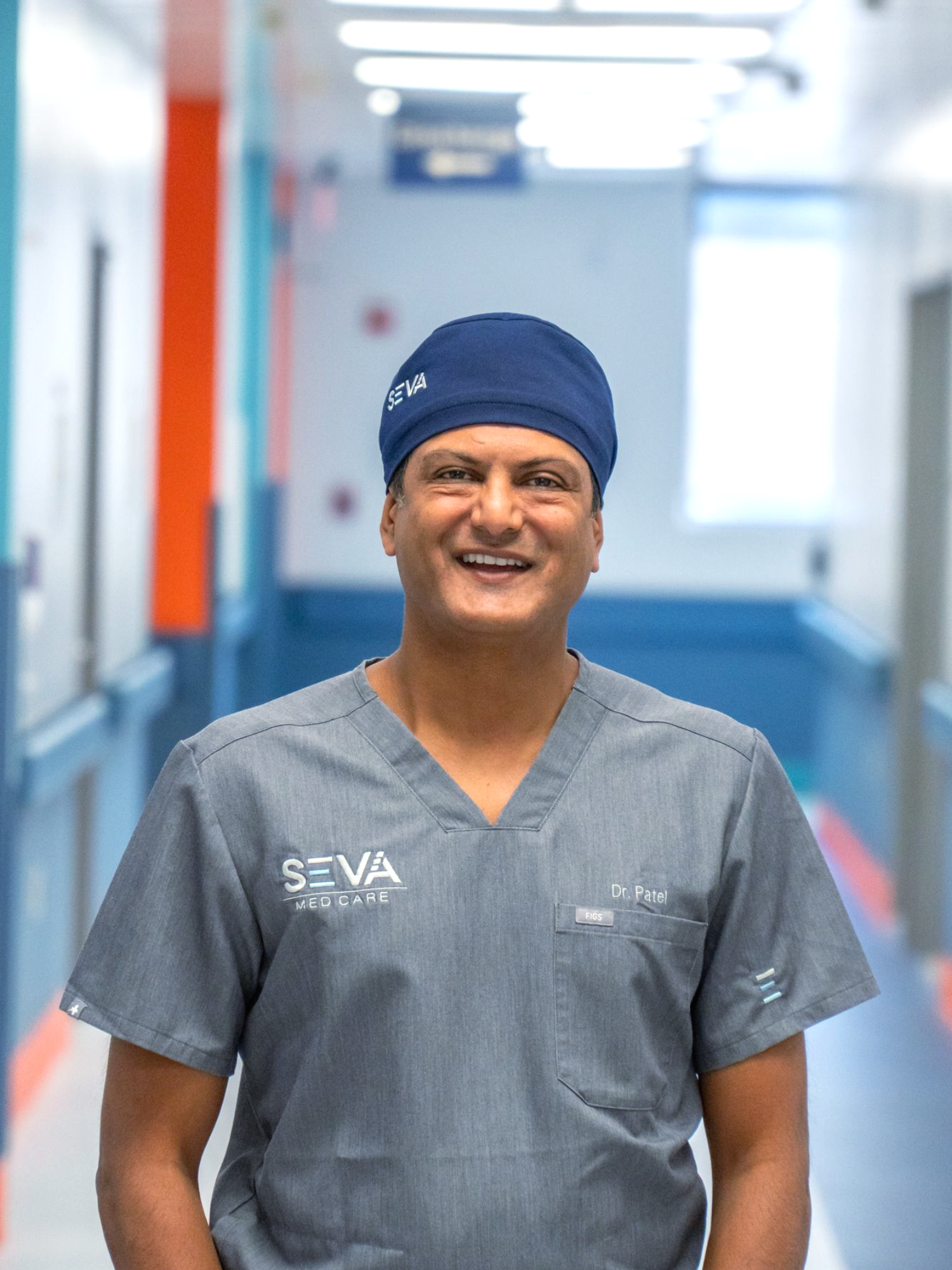
Dr. Jayen Patel, MD
Most experienced SCS implanter on the team. Specializes in failed back surgery syndrome and refractory radicular pain. Boston University MD, NYU residency.
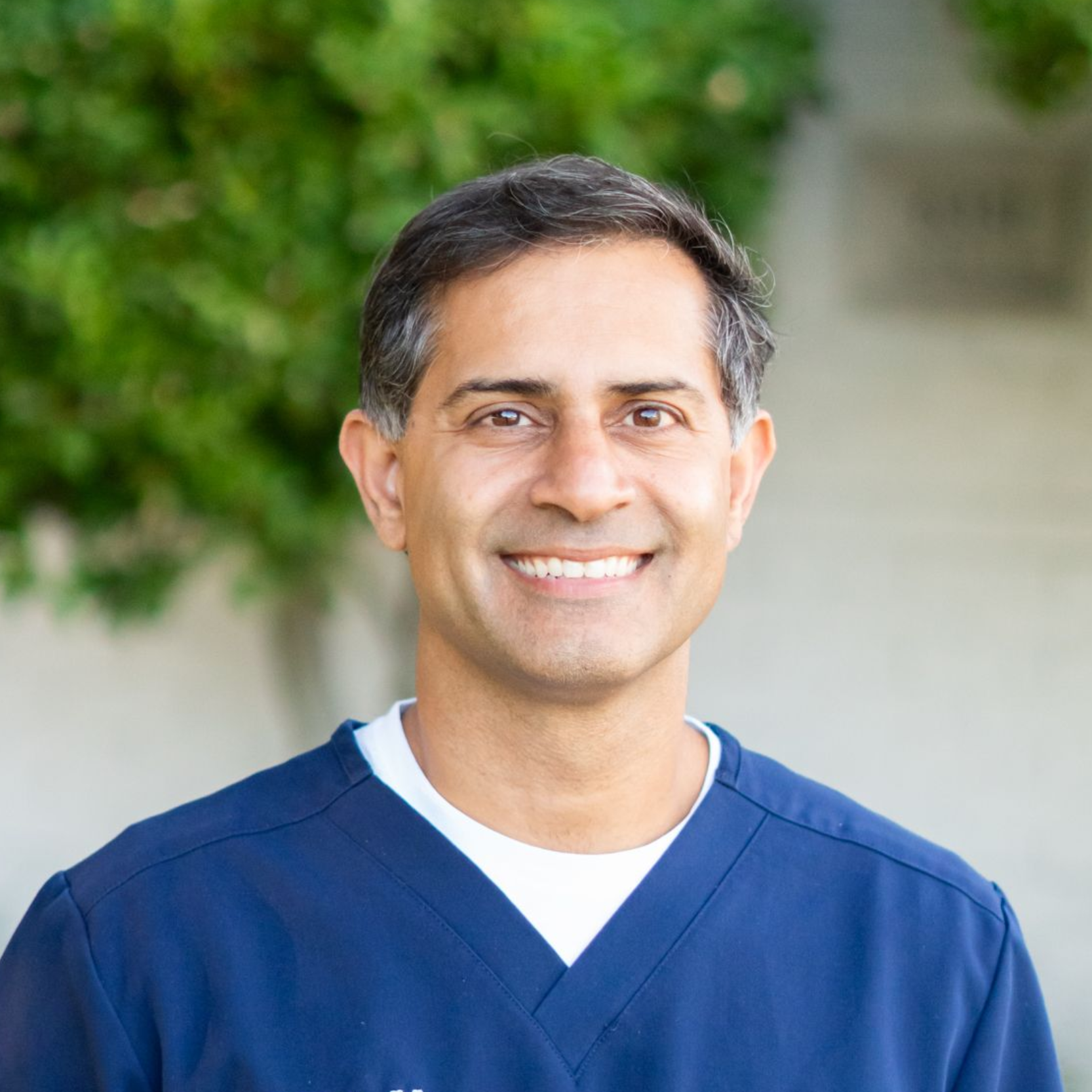
Dr. Amit Mirchandani, MD
Specializes in transforaminal epidurals, lumbar/cervical facet RFA, and high-frequency 10 kHz SCS. Author of the SevaPedia sciatica + low back pain guides.
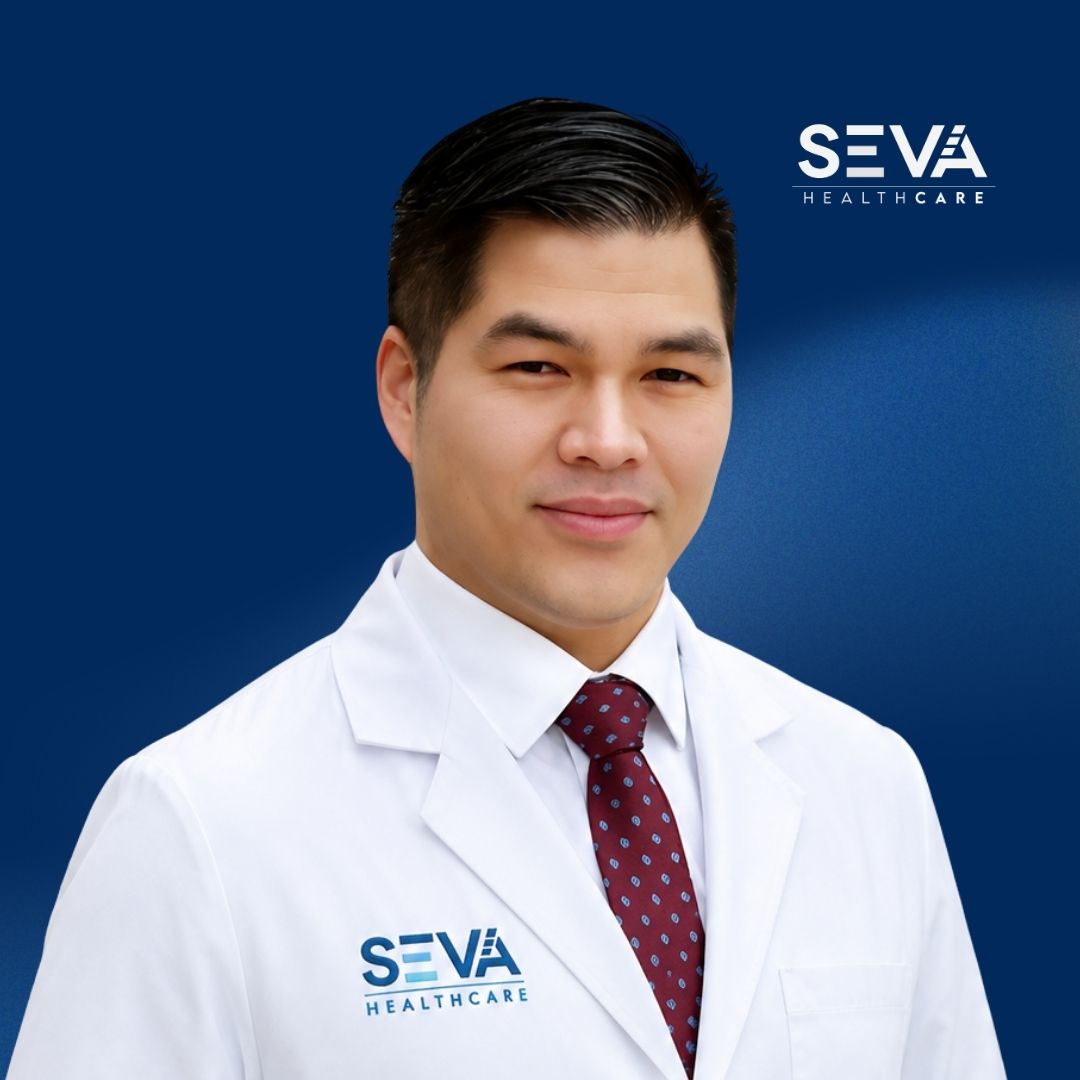
Dr. Alex Pham, MD
Performs the full back-pain ladder — epidurals, RFA, PNS, and SCS trials. Strong focus on multimodal plans combining procedures with PT and structured medication management.
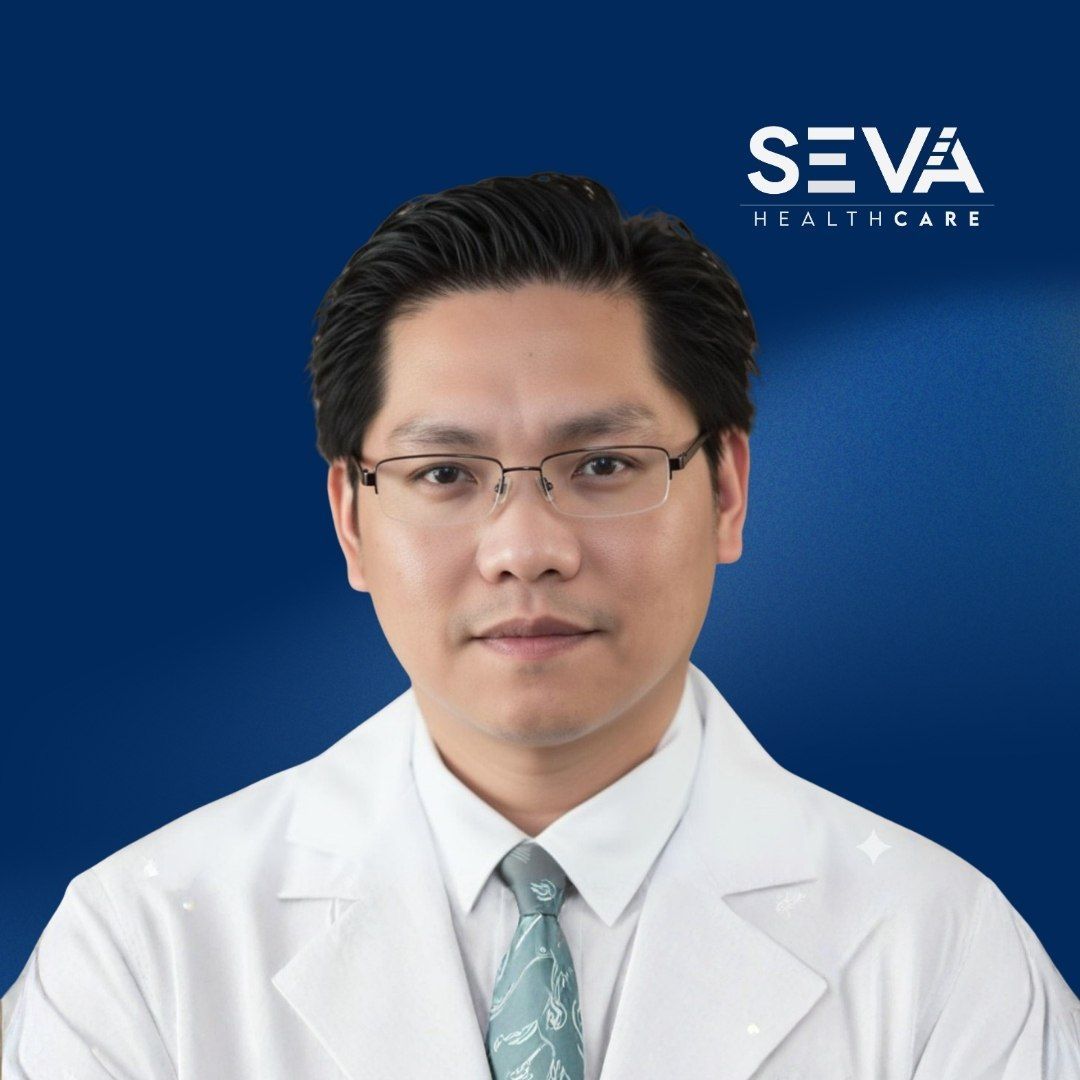
Dr. David Do, MD
Dual training in anesthesiology + pain. Personalized care plans combining procedural intervention with optimized medication for chronic back pain.
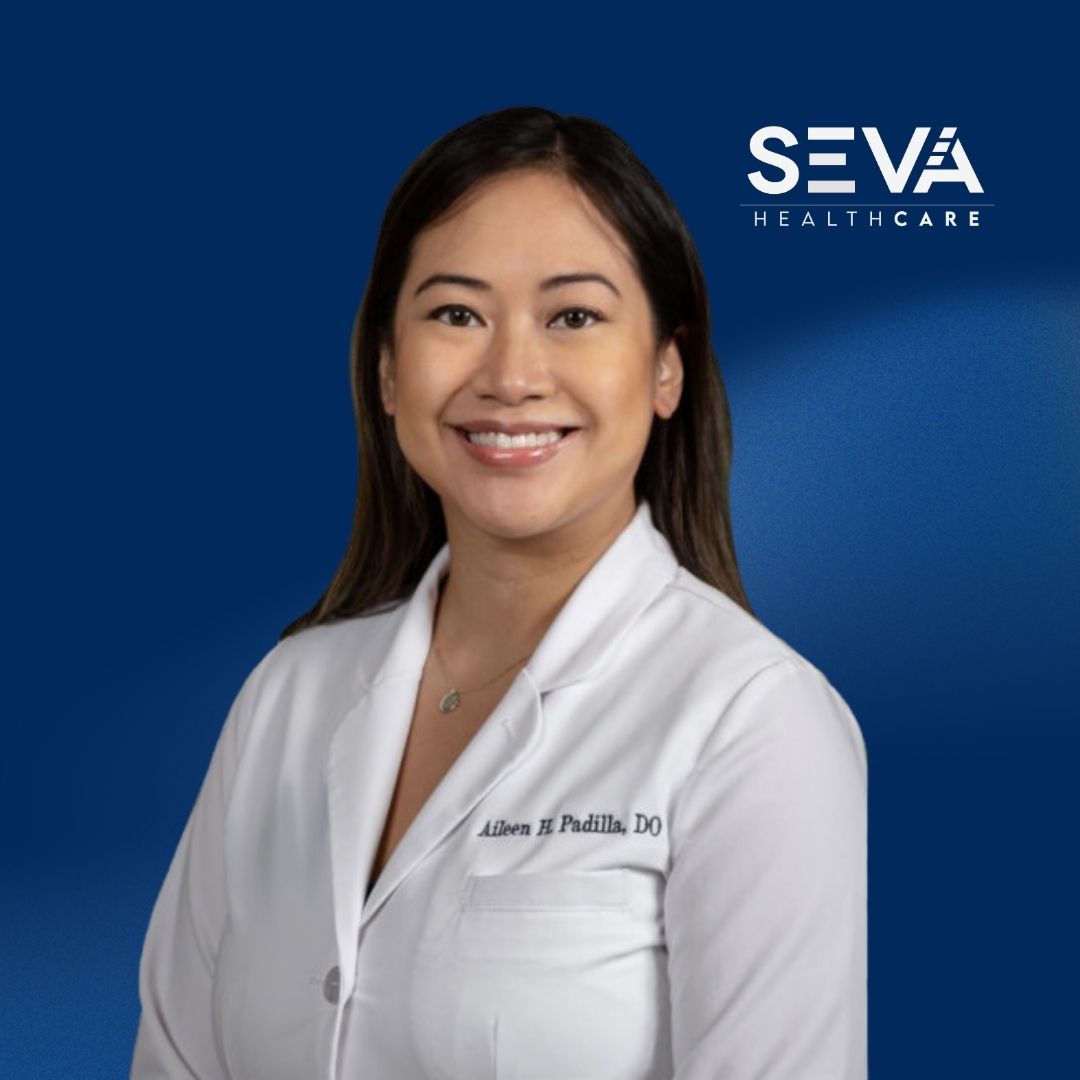
Dr. Aileen H. Padilla, DO, MBA
Leads our SI joint program and MILD/Vertiflex stenosis cases. Particularly strong for patients whose back pain has a functional/rehab component.

Dr. Babajide Ogunseinde, MD
15+ years and 8,000+ procedures. Reviews complex spine cases alongside the pain team — SI joint fusion, minimally invasive spine surgery, revision spine.
Compare all 8 Tulsa SEVA physicians side-by-side: 8 Best Pain Management Doctors in Tulsa →
Published evidence
SEVA Healthcare’s back pain treatment ladder reflects the highest-quality current evidence:
- Transforaminal epidurals: 2025 PMC meta-analysis of 72 RCTs and 7,701 patients — significant pain + function improvement at 6 and 12 months.
- Lumbar facet RFA: 2019 SIS systematic review — Level I-II evidence for medial branch RFA after positive diagnostic block.
- 10 kHz high-frequency SCS for FBSS & PDN: Senza-RCT and Senza-PDN trials — 70-80% of properly selected patients achieve ≥50% pain relief at 12 months, with durable benefit at 24+ months. FDA-approved for both FBSS and PDN indications.
- MILD for spinal stenosis: ENCORE study and multi-year follow-up data — sustained improvement in walking distance and pain scores in patients with hypertrophied ligamentum flavum.
- SCS practice guidelines: North American Neuromodulation Society (NANS) publishes the practice standards SEVA follows.
Insurance & cost in Tulsa
Most back pain procedures at SEVA Tulsa are covered by major insurance plans:
- Commercial insurance(BCBS Oklahoma, Aetna, Cigna, UnitedHealthcare, Humana) — epidurals, facet injections, RFA, MILD, Vertiflex, and SCS covered with appropriate prior authorization.
- Medicare — covers the full ladder including SCS trial + permanent implant. Most patients pay only Part B coinsurance.
- Oklahoma SoonerCare/Medicaid — covers most back pain procedures with prior auth.
- Motor vehicle accident (MVA) claims — SEVA handles attorney liens and MVA insurance billing directly. See our MVA pain treatment guide.
- Oklahoma workers’ compensation — full ladder covered with appropriate claim documentation.
SEVA Healthcare verifies benefits and obtains prior authorization before scheduling any procedure — no surprise bills.
Where to receive back pain treatment in Tulsa
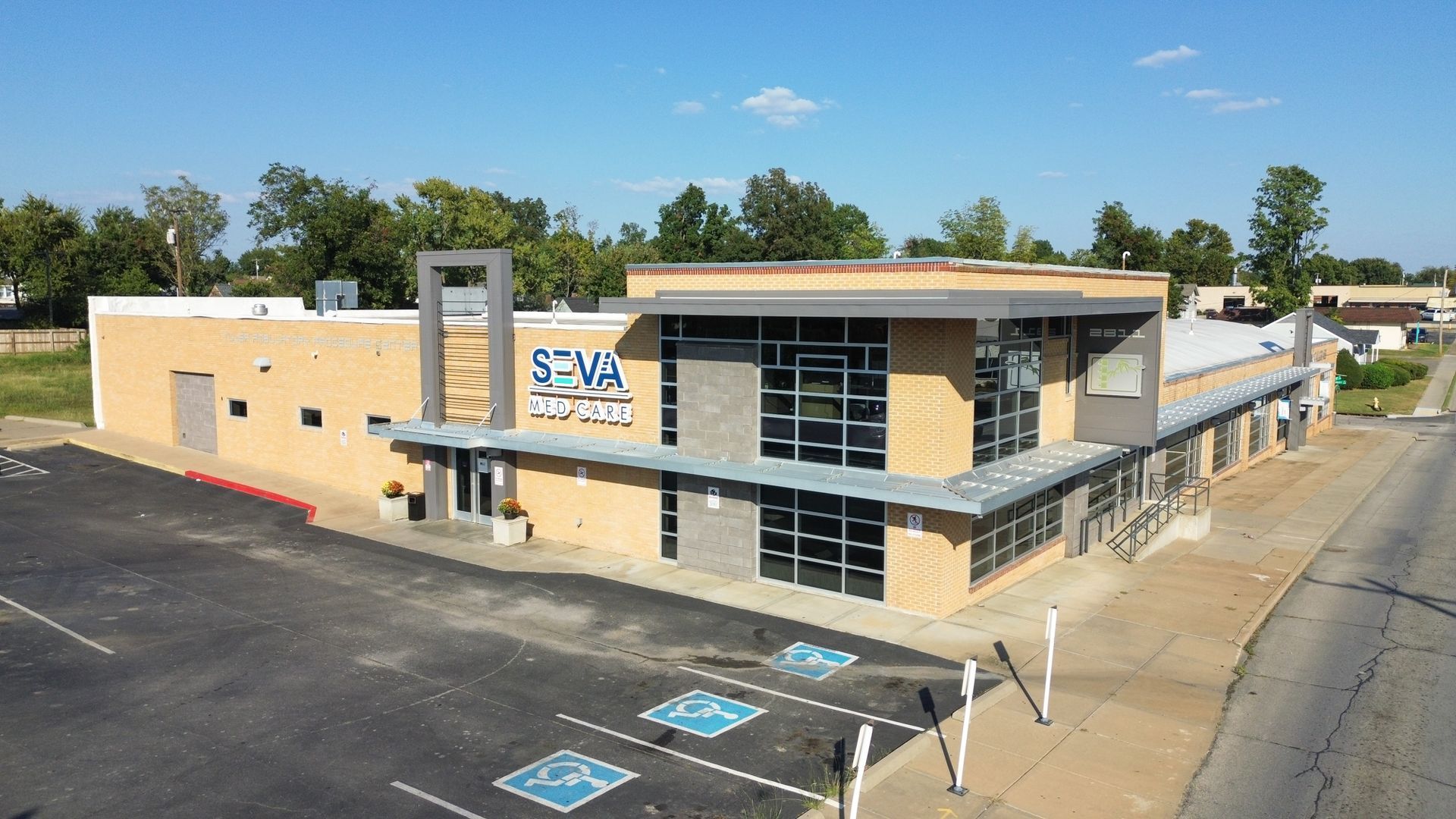
SEVA Healthcare Midtown · 2811 East 15th Street, Suite 102, Tulsa, OK 74104 · (918) 935-3240 · Mon-Fri 8 AM-5 PM
SEVA Healthcare South Sheridan · 6048-A South Sheridan Road, Tulsa, OK 74145 · (918) 935-3240 · Mon-Fri 8 AM-5 PM
Frequently asked questions about back pain treatment in Tulsa
Tap any question to expand.
See a back pain doctor in Tulsa this week
Our intake team will match you with the right SEVA physician based on your symptoms, imaging, and prior treatment history — from first-line injection up through SCS implant. Same-week consultations at Tulsa Midtown and South Sheridan.
Informational only; not medical advice. Written by Dr. Jayen Patel, MD, board-certified pain management physician and founder of SEVA Healthcare. Medically reviewed by Dr. Amit Mirchandani, MD. Reflects SEVA Healthcare’s clinical practice and current SIS / ASIPP / NANS evidence-based guidelines as of June 2026. Individual outcomes vary; consult with your physician before any procedure.