
9 Best Pain Management Doctors in Tulsa, OK (2026 Guide) | SEVA Healthcare

June 17, 2026

Share this article

JP
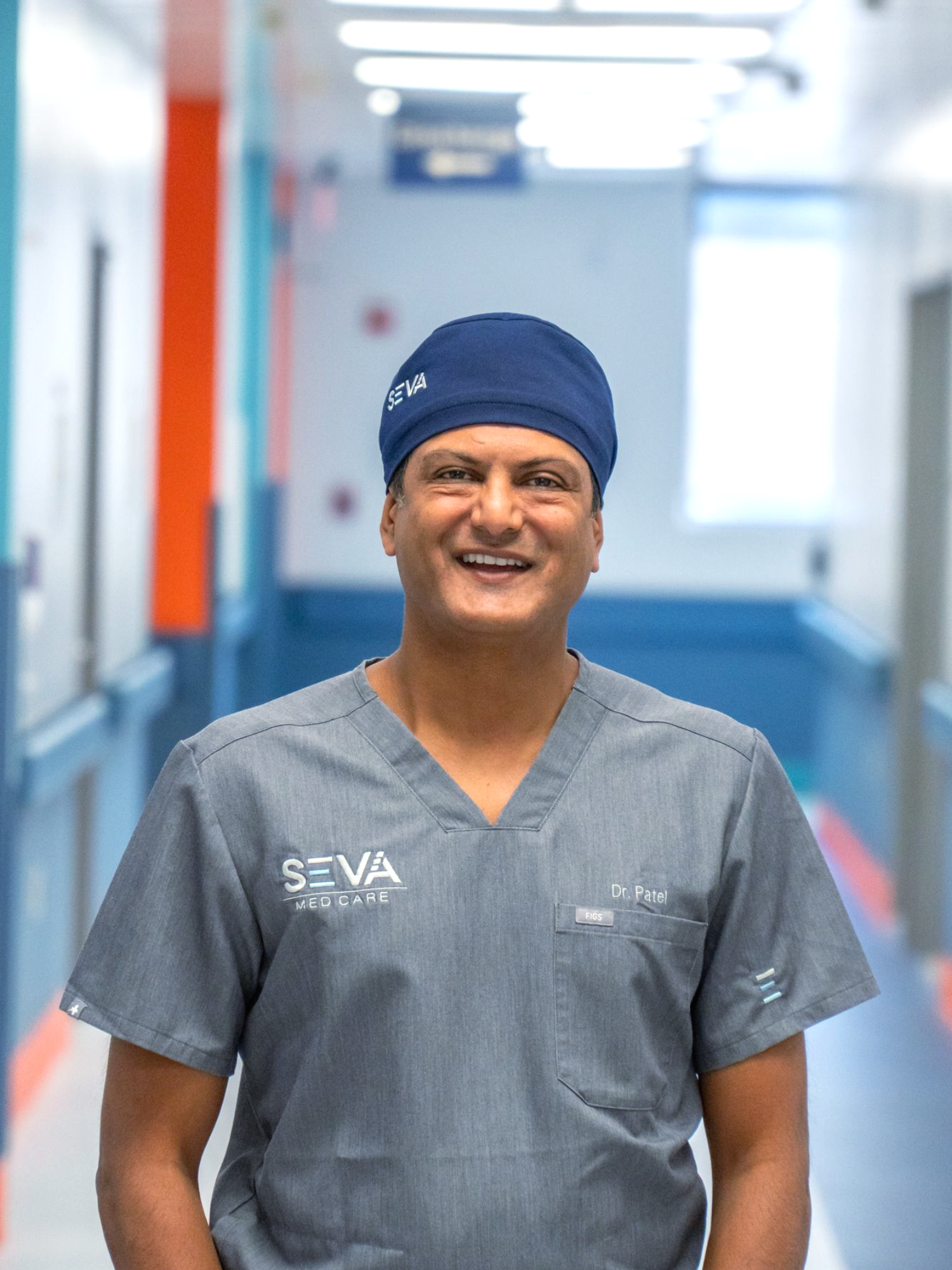
Dr. Jayen Patel, MD
Board-Certified Pain Management Physician · Founder, SEVA Healthcare Tulsa
18 min read
Key Takeaways
  • SEVA Healthcare in Tulsa is staffed by 9 board-certified pain management providers across two clinics — the largest interventional pain team in the city.
  • Six are fellowship-trained MDs/DOs in pain medicine, anesthesiology, PM&R, or orthopedic spine. Three are advanced practice providers (APRN/CNP) who run day-to-day follow-up and medication management.
  • Combined training pedigree spans Harvard, Yale, Rush, Mayo Clinic, Stanford, and UNM — a level of fellowship depth uncommon outside academic medical centers.
  • This guide compares all 9 providers side-by-side and helps you pick the right one for your specific condition: back pain , sciatica , knee pain , diabetic neuropathy , migraine, and complex spine.
  • Same-week appointments at both SEVA Tulsa Midtown and South Sheridan. Most commercial insurance, Medicare, Oklahoma SoonerCare, MVA, and OK workers’ comp accepted.

If you have been searching “best pain management doctor in Tulsa” and ended up looking at a list of nine clinics that all sound interchangeable, this guide will help. I am Dr. Jayen Patel, founder of SEVA Healthcare and a board-certified pain management physician practicing in Tulsa for more than 15 years. Below is an honest, structured comparison of the nine pain management providers on our Tulsa team — what each of us trained in, what we specialize in, and which patient profile each of us serves best.

If you don’t want to read the full guide, jump straight to the side-by-side comparison table or call (918) 935-3240 and our intake team will match you with the right provider based on your condition.


How to evaluate a pain management doctor in Tulsa

There are roughly two dozen physicians and APRNs in Tulsa County who advertise “pain management.” They are not equivalent. Before comparing names, here is the framework I would use as a patient:

1. Board certification

Look for certification by the American Board of Anesthesiology, ABPMR, ABPN, or ABOS in the specific subspecialty of Pain Medicine. “Board-certified” alone is not the same. The American Academy of Pain Medicine maintains the directory of subspecialty-certified physicians.

2. Fellowship training

ACGME-accredited pain fellowship is the dividing line between general anesthesiology and modern interventional pain practice. Procedures like transforaminal epidurals and SCS are taught in fellowship.

3. Image-guided procedures in-office

Spine injections and joint procedures should be performed under live fluoroscopy or ultrasound — not blind. Image guidance is what separates precise medication delivery from a guess.

4. Full procedural ladder

Look for a practice that offers everything from facet RFA up through spinal cord stimulation and genicular artery embolization — so referral churn doesn’t become its own delay. The North American Neuromodulation Society publishes outcome benchmarks for SCS programs.

5. Surgical backup if needed

For complex spine cases that fail injections, having a fellowship-trained spine surgeon on the same team avoids a months-long referral. Few Tulsa pain clinics have this in-house.

6. Honest opioid stewardship

A modern pain doctor reduces or replaces chronic opioids using neuromodulation and targeted procedures — not extends them indefinitely. Ask the practice about their opioid taper philosophy.

Honest note from Dr. Patel

The reason I built this directory is that I see Tulsa patients every week who have been “managed” for years without anyone identifying the structure generating their pain. The right pain doctor for you is the one whose fellowship training and procedural focus match your specific anatomy. A neuropathy patient, a failed-back-surgery patient, and a sacroiliac patient should not all see the same provider by default. Use this guide to match yourself to the right person on our team — or to evaluate any other Tulsa practice you are considering.


The 9 SEVA Tulsa pain management providers at a glance

Tap any name to jump to that provider’s detailed profile below.

# Provider Credentials Subspecialty Best for Tulsa clinic
1 Dr. Jayen Patel, MD Anesthesiology, Pain Mgmt (ABA) Interventional pain, SCS, neuromodulation Failed back surgery, refractory chronic pain Midtown, South Sheridan
2 Dr. Amit Mirchandani, MD Double-boarded Anesthesiology + Pain Med Spine procedures, image-guided injections, RFA Sciatica, facet pain, herniated disc Midtown, South Sheridan
3 Dr. Alex Pham, MD Pain Management Physician (ABA) Back/neck pain, neuropathic pain Chronic back pain, nerve pain Midtown, South Sheridan
4 Dr. David Do, MD Anesthesiology, Pain Mgmt Pain & anesthesia, interventional procedures Multimodal chronic pain Midtown, South Sheridan
5 Dr. Cara Guariglia, MD Pain Med + Addiction Medicine (Stanford, Mayo) Spine & neuropathic pain, addiction medicine Patients on opioids needing taper + pain control Midtown, South Sheridan
6 Dr. Aileen H. Padilla, DO, MBA PM&R + Pain Medicine (double-boarded) Minimally invasive spine, neuromodulation, SI joint SI joint dysfunction, MILD/Vertiflex candidates Midtown, South Sheridan
7 Dr. Babajide Ogunseinde, MD Orthopedic Spine Surgeon (FAAOS, ABPS) · Harvard Minimally invasive spine surgery, SI joint fusion Complex spine after failed conservative care Midtown, South Sheridan
8 Ruby Thomas, APRN-CNP APRN-CNP (Pain + Addiction) Chronic pain follow-up, opioid recovery Medication management, OUD support Midtown, South Sheridan
9 Christa McKellar, APRN Family NP (APRN) Preventive care, hormone therapy, weight mgmt Whole-patient care alongside pain treatment Midtown

Meet each Tulsa provider

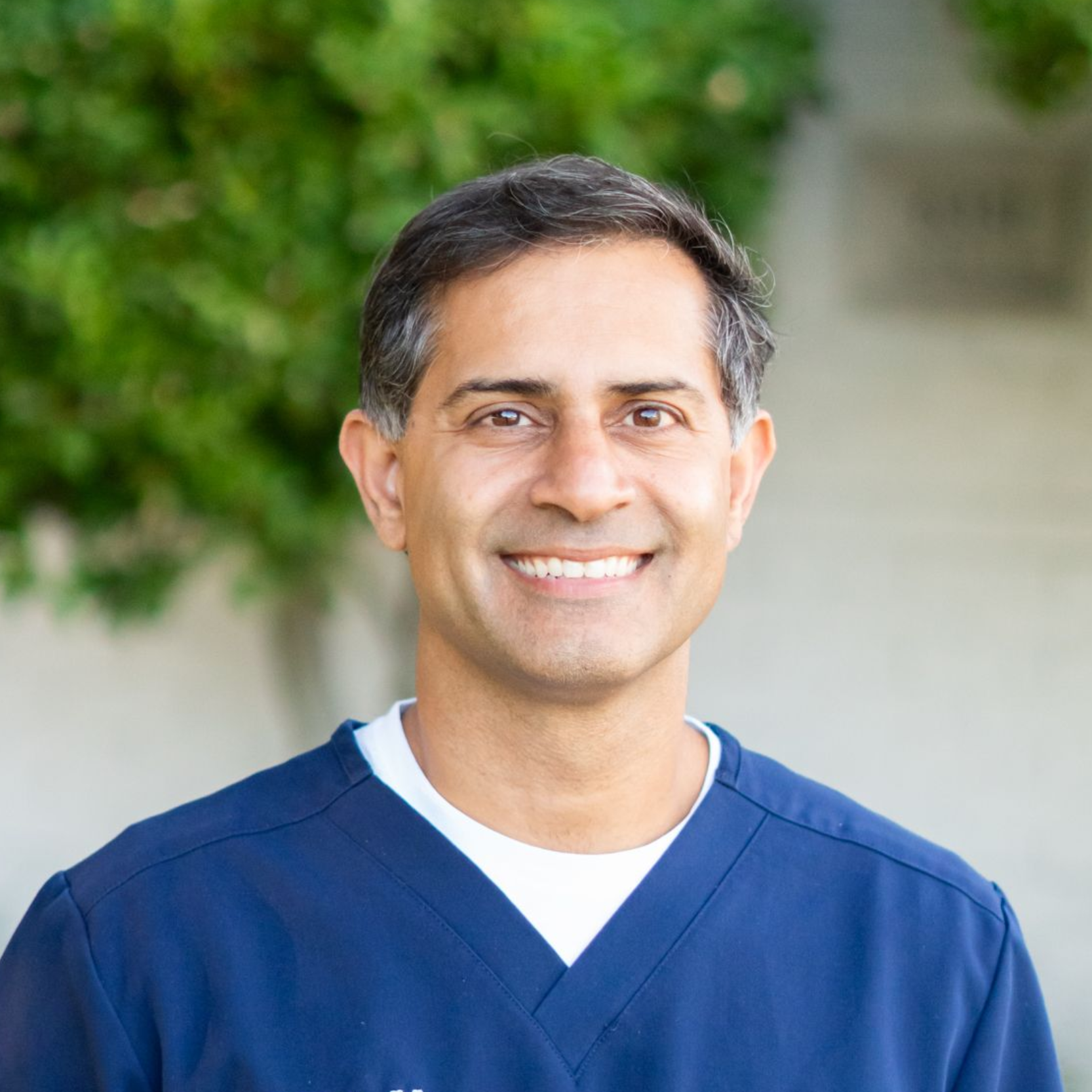
Dr. Jayen Patel, MD — Board-Certified Pain Management Physician and founder of SEVA Healthcare in Tulsa, OK
#1 · Founder · Tulsa flagship

Dr. Jayen Patel, MD

Board-Certified Anesthesiology · Pain Management · 15+ years in Tulsa

Founder of SEVA Healthcare and recognized among the Three Best Rated pain physicians in Tulsa. Boston University MD, NYU/Bellevue residency, ABA board-certified. Specializes in ultrasound-guided nerve blocks, spinal decompression, and spinal cord stimulation for refractory chronic pain.
SCS & Neuromodulation Ultrasound nerve blocks Spinal decompression Tulsa Midtown South Sheridan
Dr. Amit Mirchandani, MD — Double Board-Certified Anesthesiology and Pain Medicine physician at SEVA Healthcare in Tulsa and Dallas
#2 · Yale + Rush trained

Dr. Amit Mirchandani, MD

Double Board-Certified · Anesthesiology & Pain Medicine · 10+ years

Yale University residency, Rush University fellowship — two of the top US pain medicine programs. Specializes in minimally invasive spine procedures, image-guided injections, radiofrequency ablation, and neuromodulation for refractory back, neck, and joint pain. Author of multiple SevaPedia clinical guides including the sciatica and knee replacement alternatives series.
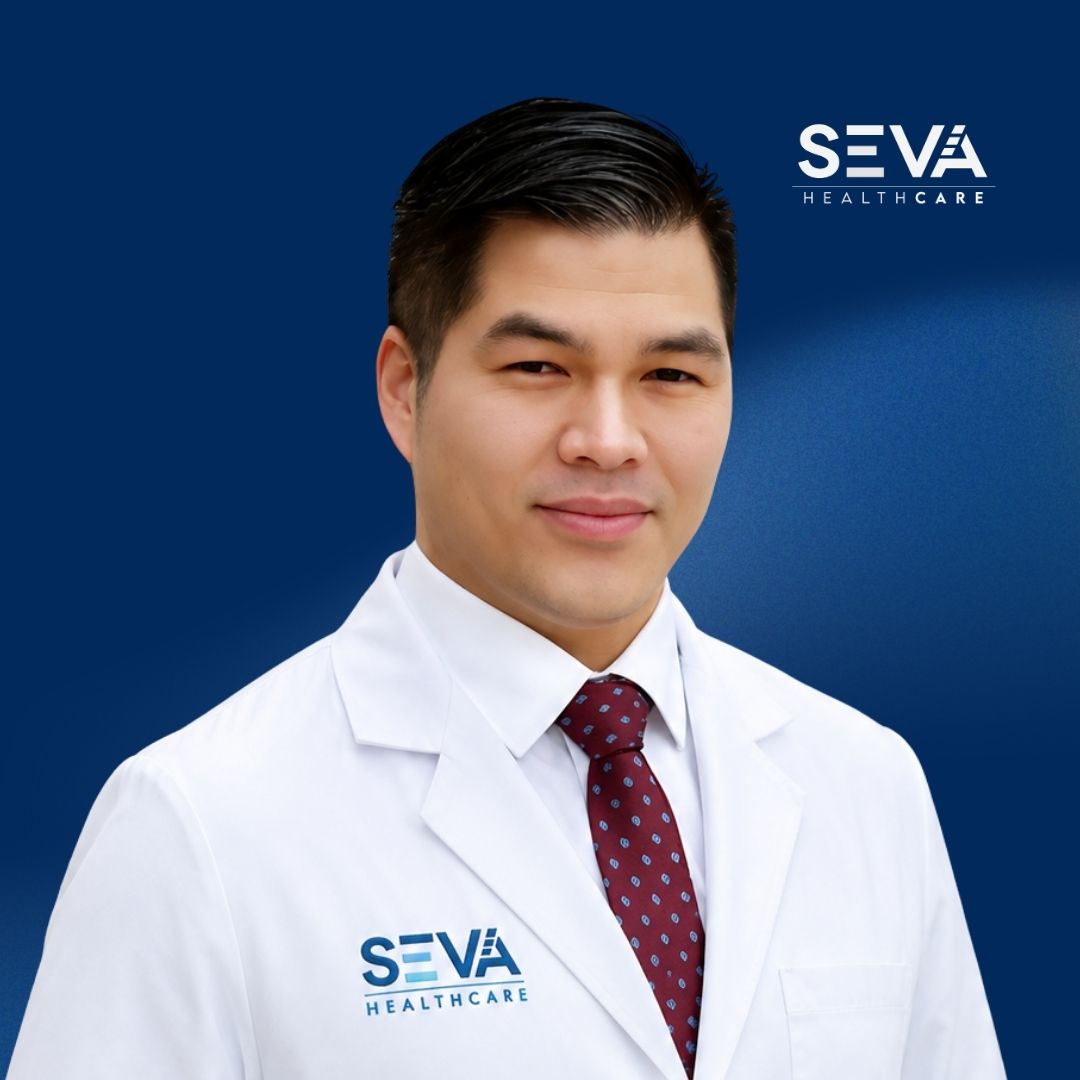
Sciatica & radiculopathy Transforaminal epidural Facet RFA 10 kHz high-frequency SCS
Dr. Alex Pham, MD — Pain Management Physician at SEVA Healthcare in Tulsa and Dallas
#3 · Tulsa & Dallas

Dr. Alex Pham, MD

Pain Management Physician · Tulsa & Dallas

Comprehensive, patient-centered care for back pain, nerve pain, and chronic pain. Performs the full ladder of interventional pain procedures — epidural injections, medial branch blocks, RFA, peripheral nerve stimulation — with a focus on functional restoration rather than indefinite medication.

Back & neck pain Neuropathic pain PNS & SCS Joint injections
Dr. David Do, MD — Pain Management and Anesthesiology specialist at SEVA Healthcare in Tulsa
#4 · Pain & Anesthesia

Dr. David Do, MD

Pain Management & Anesthesiology Specialist

Dual training in anesthesiology and pain management. Provides personalized, minimally invasive treatments for back pain, nerve pain, and chronic pain. Particularly strong on multimodal pain plans that combine procedural intervention with optimized medication management.

Multimodal chronic pain Image-guided injections Anesthesia-grade procedural skill
Dr. Cara Guariglia, MD — Pain Management and Chronic Pain Specialist at SEVA Healthcare in Tulsa, Stanford and Mayo Clinic trained
#5 · Stanford + Mayo Clinic

Dr. Cara Guariglia, MD

Pain Management & Addiction Medicine Specialist

Stanford-trained MD with Mayo Clinic fellowship. One of the few Tulsa pain physicians with formal training in both interventional pain and addiction medicine — ideal for patients who need a structured opioid taper alongside non-opioid pain control. Treats spine pain, neuropathic pain, and complex chronic pain syndromes.
Addiction medicine Spine pain Neuropathic pain Opioid stewardship
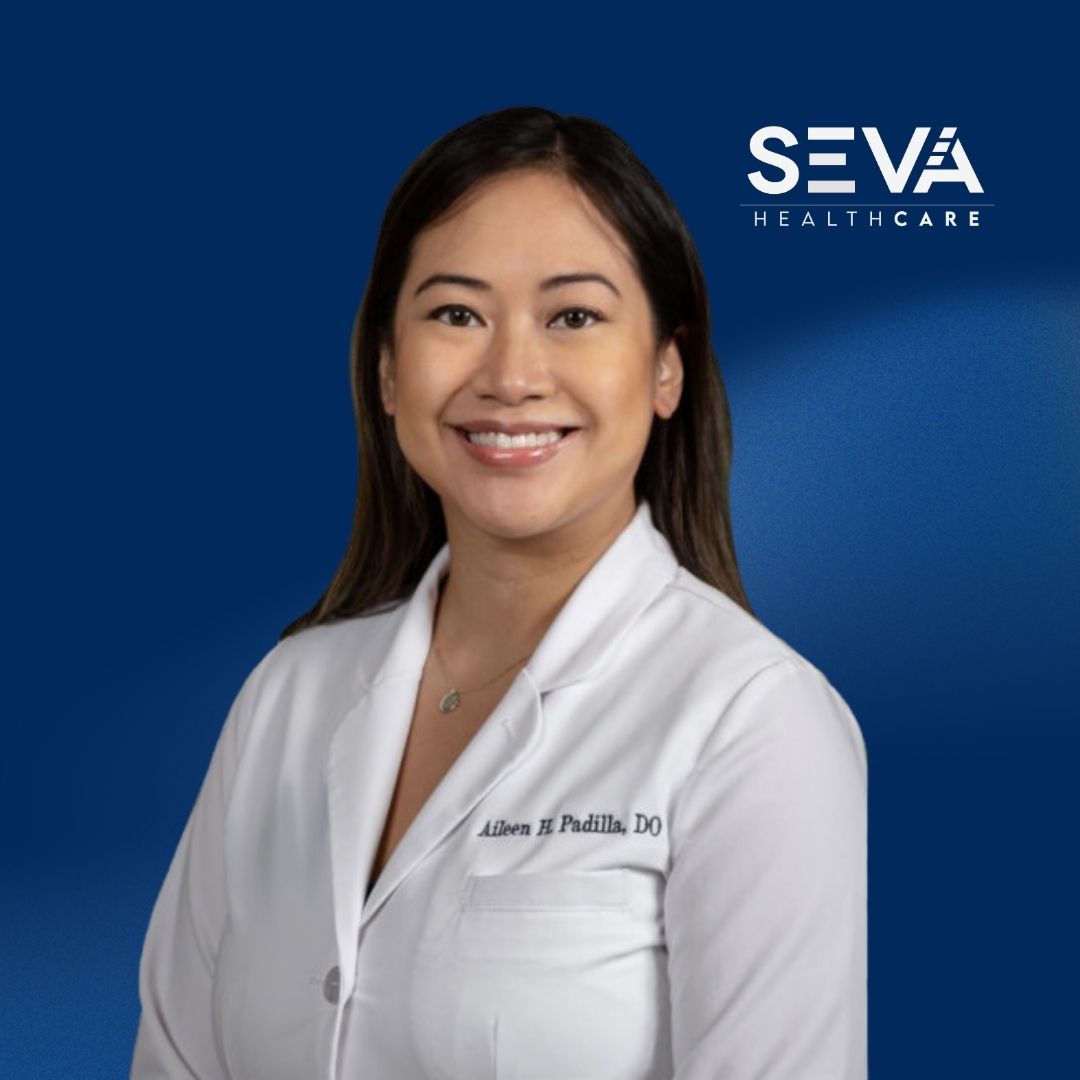
Dr. Aileen H. Padilla, DO, MBA — Pain Physician at SEVA Healthcare, board-certified in PM&R and Pain Medicine
#6 · Double board-certified DO

Dr. Aileen H. Padilla, DO, MBA

PM&R + Pain Medicine · Spine, neuromodulation, SI joint

Board-certified in both Physical Medicine & Rehabilitation and Pain Medicine — a combination that's particularly valuable for patients whose pain has a strong functional or rehabilitative component. Specializes in minimally invasive spine procedures, neuromodulation (SCS, PNS), and image-guided treatment of sacroiliac joint dysfunction. Holds an MBA in addition to her clinical training.

SI joint dysfunction Minimally invasive spine Neuromodulation Functional restoration
Dr. Babajide Ogunseinde, MD, FAAOS, ABPS — Harvard-trained orthopedic spine surgeon at SEVA Healthcare with 15+ years experience and 8,000+ procedures
#7 · Harvard-trained · 8,000+ procedures

Dr. Babajide Ogunseinde, MD, FAAOS, ABPS

Orthopedic Spine Surgeon · 15+ years · 8,000+ procedures

Harvard-trained, fellow of the American Academy of Orthopedic Surgeons (FAAOS) and American Board of Physician Specialties (ABPS). One of the few Tulsa-area spine surgeons embedded full-time in a pain management practice — which means patients who escalate beyond injections can be evaluated for minimally invasive spine surgery without months of referral delay. Specializes in SI joint fusion and minimally invasive lumbar/cervical procedures.

SI joint fusion Minimally invasive spine surgery Complex/failed spine Harvard-trained
Ruby Thomas, APRN-CNP — Pain Management Nurse Practitioner at SEVA Healthcare in Tulsa specializing in chronic pain and addiction recovery
#8 · Pain + Addiction NP · Tulsa

Ruby Thomas, APRN-CNP

Pain Management Nurse Practitioner · Addiction support · Tulsa

Provides compassionate pain management and addiction treatment in Tulsa, with a focus on chronic pain follow-up visits, opioid recovery support, and holistic patient-centered treatment. Works in close collaboration with the physician team — particularly valuable for patients who need frequent follow-up between procedures.

Medication management OUD recovery support Chronic pain follow-up
Christa McKellar, APRN — Family Nurse Practitioner at SEVA Healthcare in Tulsa providing preventive care and hormone therapy
#9 · Whole-patient FNP · Tulsa

Christa McKellar, APRN

Board-Certified Family Nurse Practitioner · Tulsa

Board-certified family nurse practitioner providing preventive care, hormone therapy, weight management, and patient-centered treatment alongside the SEVA pain team. Especially valuable for patients whose chronic pain coexists with metabolic, hormonal, or general-health issues that often go unaddressed in pain-only practices.

Preventive care Hormone therapy Whole-patient care

How to pick the right SEVA Tulsa provider for your condition

Not sure which of the nine to start with? Here is how our intake team triages new patients by primary symptom:

If your primary problem is… Best matches on our Tulsa team
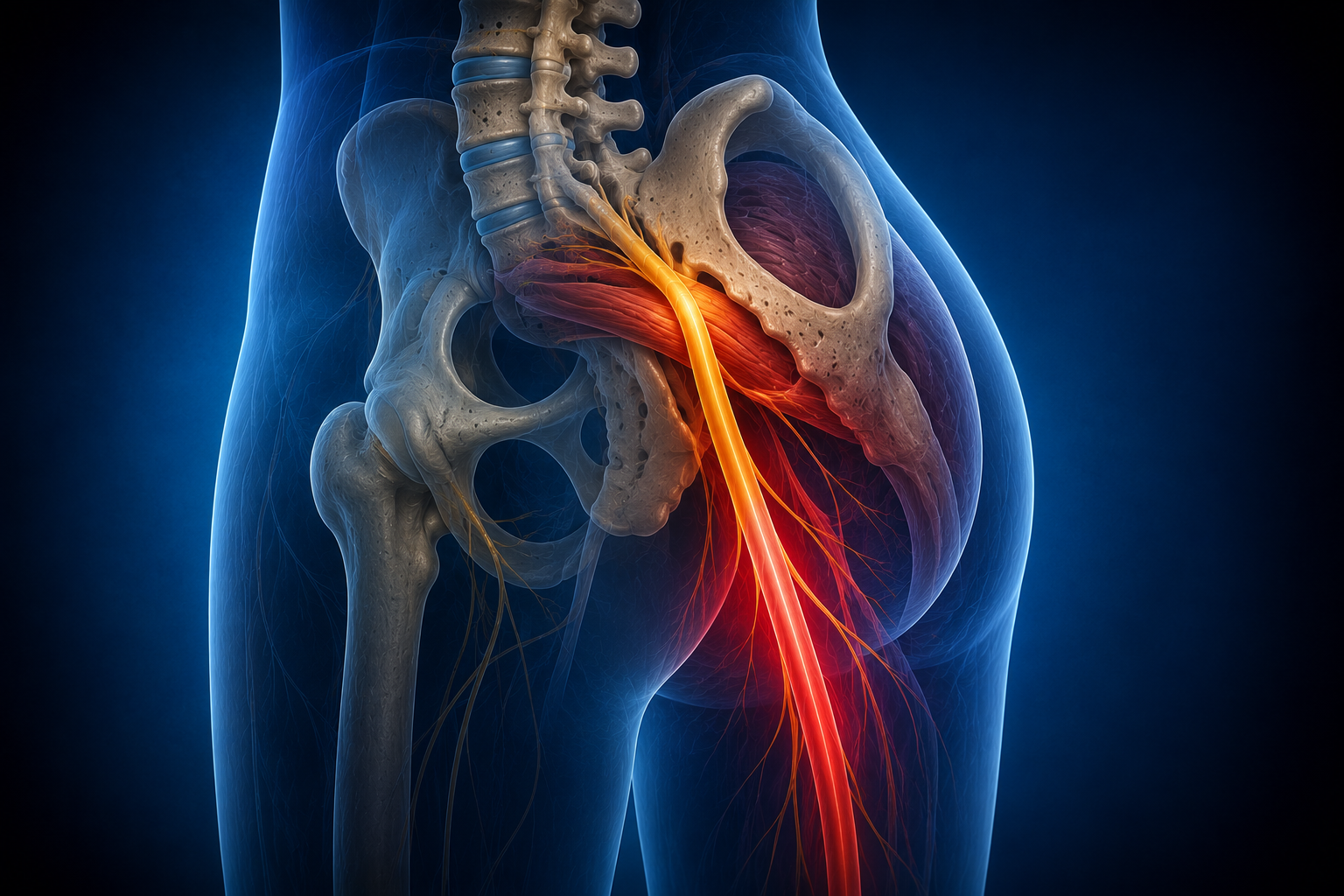
Chronic low back pain / sciatica Mirchandani, Pham, Patel, Padilla
Failed back surgery / refractory pain Patel (SCS), Mirchandani, Padilla, Ogunseinde (revision spine)
Sacroiliac (SI) joint pain Padilla (SI joint specialist), Ogunseinde (fusion)
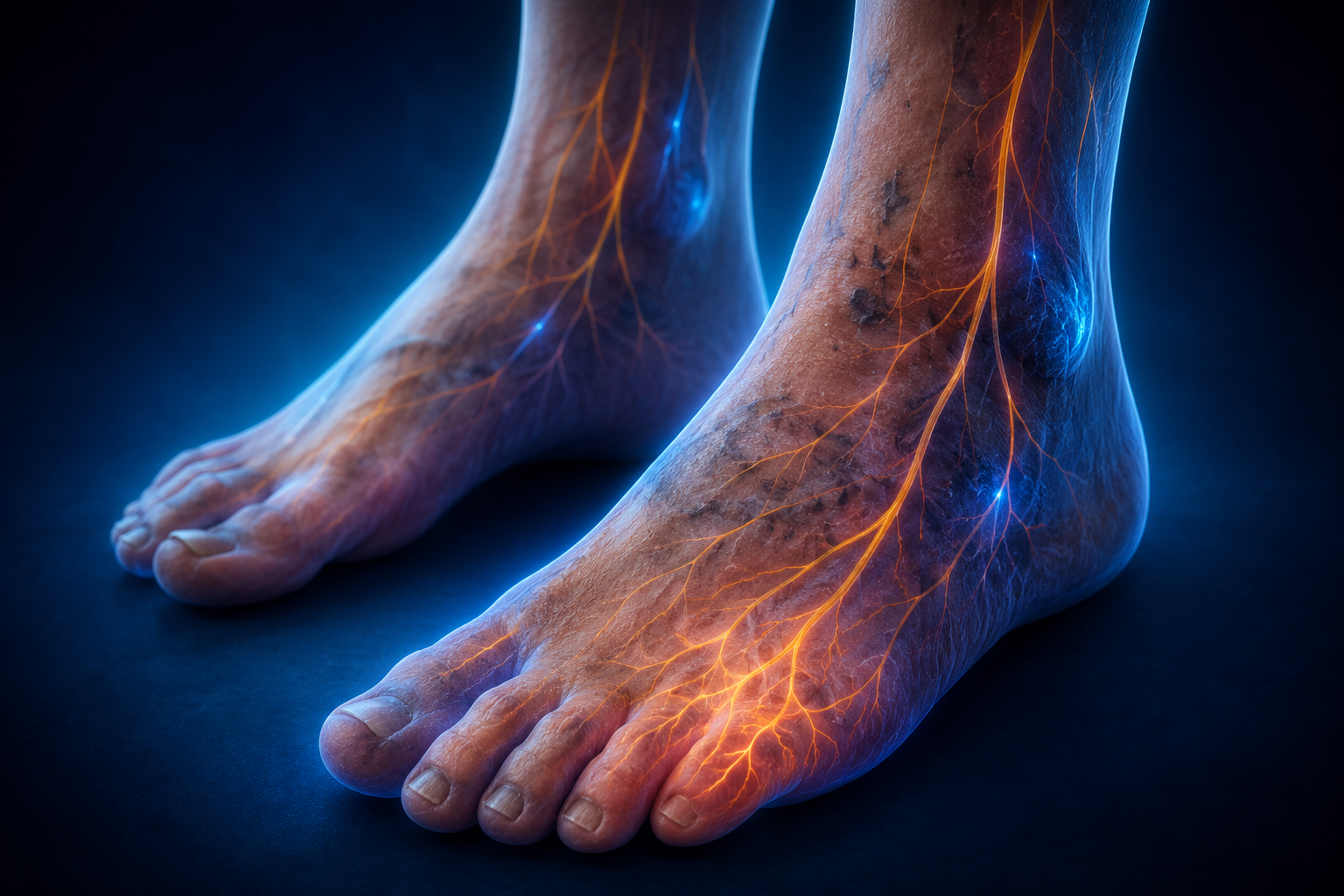
Diabetic neuropathy / nerve pain Patel (10 kHz SCS for PDN), Mirchandani, Pham — see our PDN guide
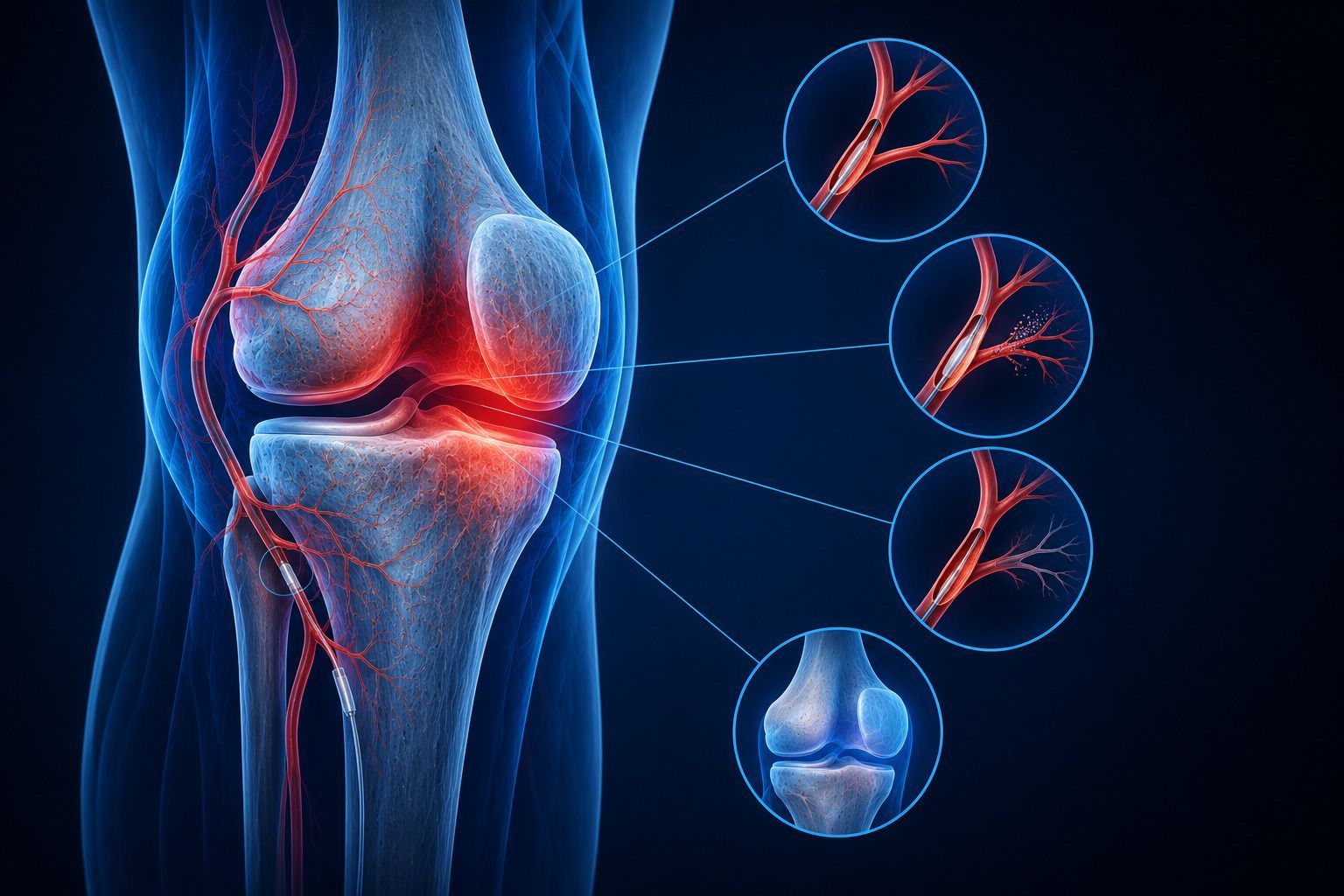
Knee arthritis Mirchandani, Patel ( GAE , PRP, genicular RFA)
Chronic migraine / headache Patel, Mirchandani (Botox PREEMPT, occipital nerve block)
Currently on chronic opioids, want a plan Guariglia (addiction medicine + pain), Ruby Thomas (NP support)
Complex spine needing surgical evaluation Ogunseinde (Harvard-trained spine surgeon)
General pain + need primary-care coordination Christa McKellar (FNP) alongside your physician

Where the Tulsa team practices

Tulsa Midtown

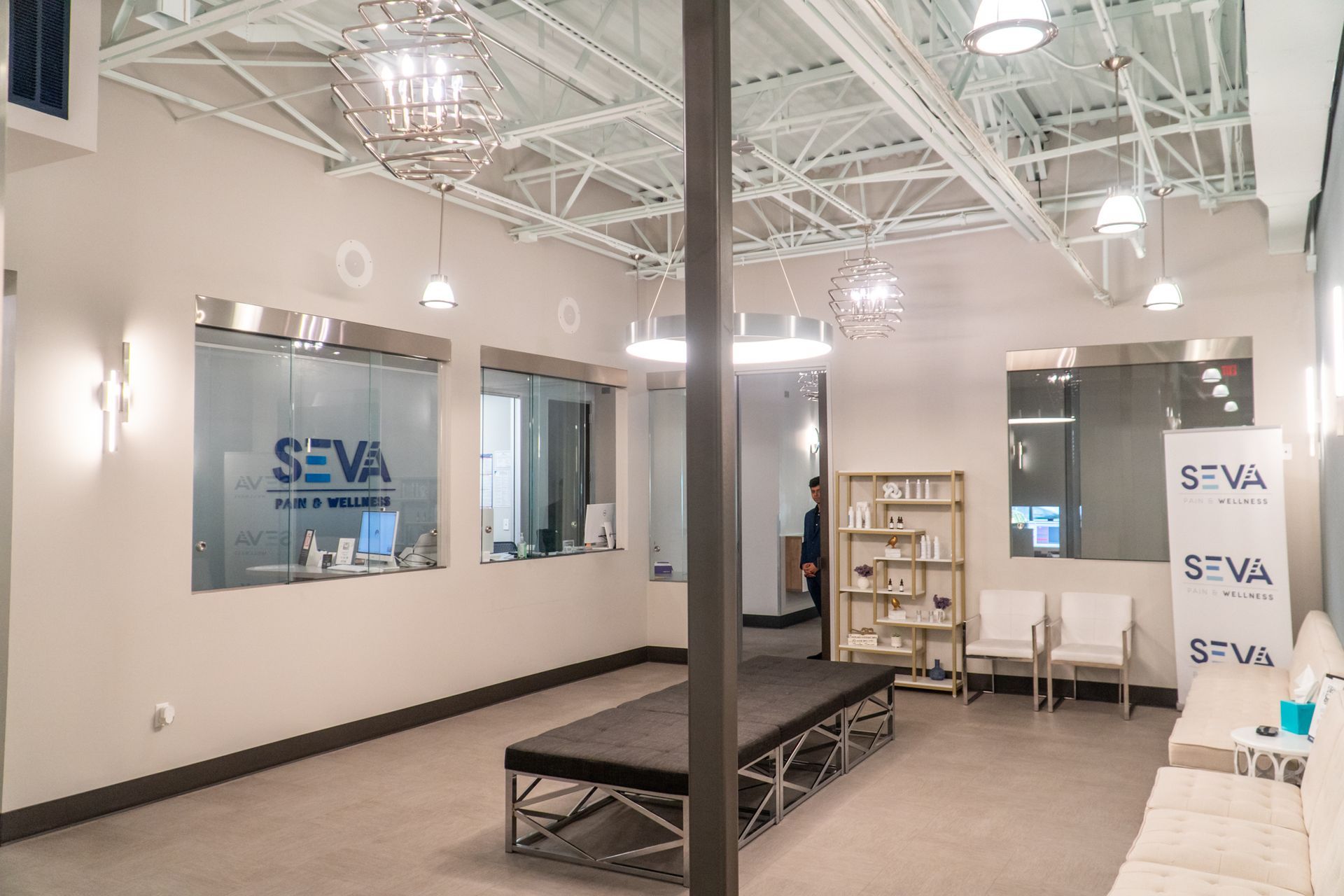
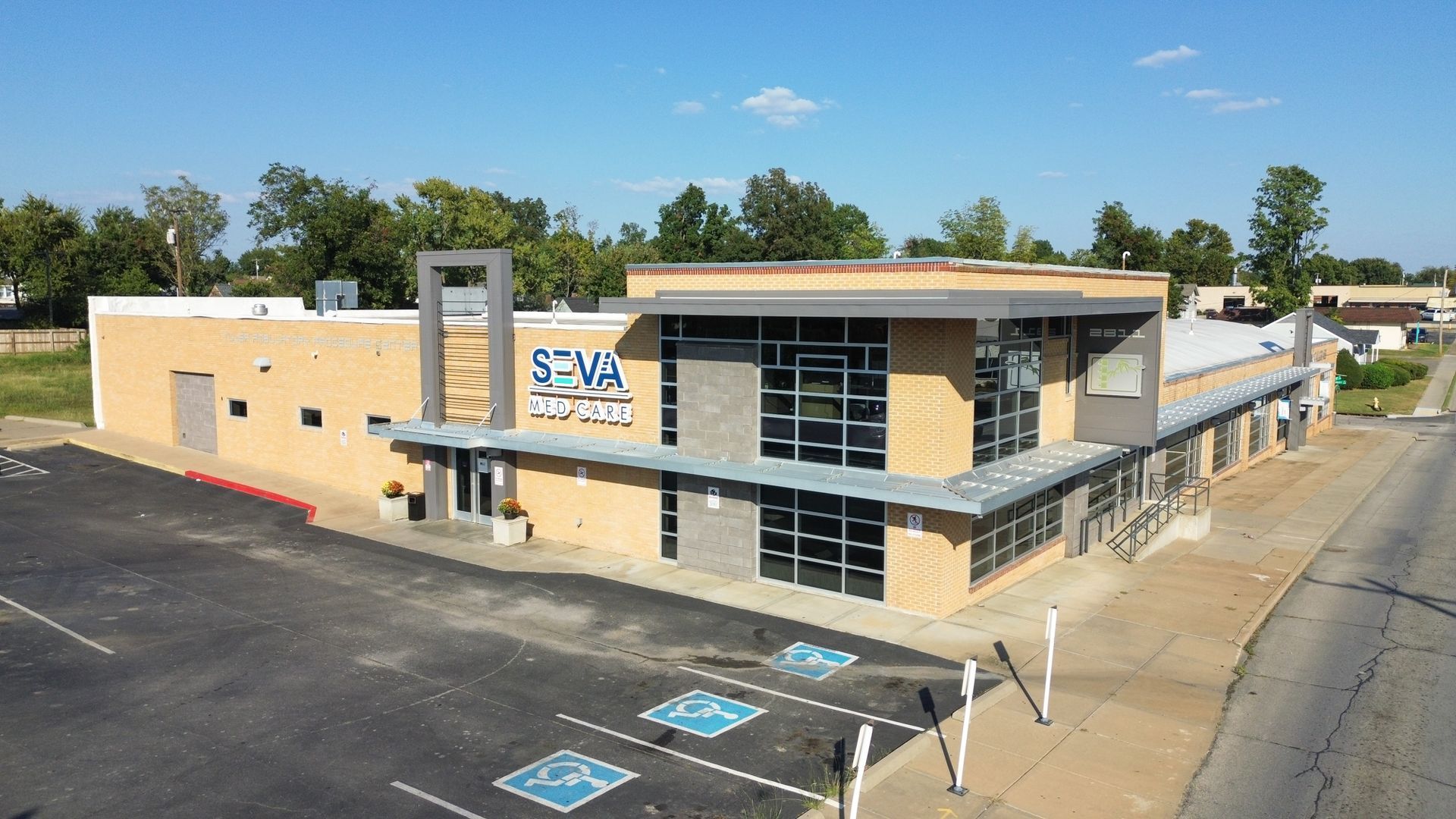
SEVA Healthcare Midtown · 2811 East 15th Street, Suite 102, Tulsa, OK 74104 · (918) 935-3240

South Tulsa

SEVA Healthcare South Sheridan · 6048-A South Sheridan Road, Tulsa, OK 74145 · (918) 935-3240


Frequently asked questions

Tap any question to expand. The most common questions Tulsa patients ask when choosing a pain management doctor.

Who is the best pain management doctor in Tulsa?
There is no single “best” pain doctor in Tulsa — the right answer depends entirely on your specific condition. For complex refractory pain and spinal cord stimulation, Dr. Jayen Patel (15+ years, founder, ThreeBestRated). For sciatica and lumbar interventional work, Dr. Amit Mirchandani (Yale + Rush trained). For SI joint dysfunction and SI fusion, Dr. Aileen Padilla (PM&R + Pain Medicine, double-boarded). For complex spine needing surgical evaluation, Dr. Babajide Ogunseinde (Harvard-trained orthopedic spine surgeon, 8,000+ procedures). For chronic opioid taper with continued pain management, Dr. Cara Guariglia (Mayo Clinic addiction medicine fellowship). The SEVA Healthcare intake team at (918) 935-3240 matches you with the right provider based on your symptoms, imaging, and prior treatment history.
How many pain management doctors does SEVA Healthcare have in Tulsa?
Nine providers practice at the SEVA Healthcare Tulsa locations: six physicians (Dr. Jayen Patel, Dr. Amit Mirchandani, Dr. Alex Pham, Dr. David Do, Dr. Cara Guariglia, and Dr. Aileen H. Padilla), one orthopedic spine surgeon (Dr. Babajide Ogunseinde), and two advanced practice providers (Ruby Thomas, APRN-CNP and Christa McKellar, APRN). This is the largest interventional pain team in the Tulsa metropolitan area, with combined training pedigree spanning Harvard, Yale, Rush, Mayo Clinic, Stanford, NYU, and UNM — a depth of fellowship credentials uncommon outside academic medical centers.
Do I need a referral to see a pain management doctor in Tulsa?
Most patients can self-refer to SEVA Healthcare without a primary-care referral. A few HMO insurance plans require a referral — our intake team will verify this when you call (918) 935-3240. To make your first visit productive, bring any prior MRI or X-ray imaging (the disc or imaging-portal login), a complete medication list, and a summary of any previous pain treatments you’ve tried. The more we can review at visit one, the faster we can move to a precise diagnosis and treatment plan.
What insurance does SEVA Healthcare accept in Tulsa?
SEVA Healthcare accepts BCBS Oklahoma, Aetna, Cigna, UnitedHealthcare, Humana, Medicare, Oklahoma SoonerCare/Medicaid, motor vehicle accident (MVA) claims, and Oklahoma workers’ compensation. Benefits are verified before scheduling any procedure, so you know your out-of-pocket cost in advance. Most diagnostic visits, image-guided injections, radiofrequency ablation, and spinal cord stimulation trials are covered when medical necessity is documented. Some advanced or regenerative procedures may require prior authorization or have out-of-pocket components — we’ll explain those upfront.
Will I be put on chronic opioids?
No. Modern interventional pain medicine is built around reducing or replacing chronic opioids using image-guided procedures, neuromodulation (spinal cord stimulation, peripheral nerve stimulation), and targeted interventions. If you are already on opioids and want a structured, safe taper alongside continued pain control, Dr. Cara Guariglia (addiction medicine + pain) and Ruby Thomas, APRN are the right starting points on our Tulsa team. The opioid prescribing posture at SEVA is conservative and evidence-based — we use them when they’re the right tool, taper them when they’re not.
How quickly can I be seen at SEVA Healthcare Tulsa?
Same-week appointments are typical at both Tulsa Midtown and South Sheridan clinics. For routine consultations, expect a new-patient slot within 3–5 business days. For complex spine cases needing Dr. Ogunseinde’s surgical evaluation, the next available slot may be 2–3 weeks out. Urgent cases (severe new neurologic symptoms, post-procedure complications) are triaged the same day — call (918) 935-3240.
Where are the SEVA Tulsa clinics located?
SEVA Healthcare operates two Tulsa locations: Tulsa Midtown at 2811 East 15th Street, Suite 102, Tulsa, OK 74104 — serving Midtown, Downtown Tulsa, Broken Arrow, Jenks, Sand Springs, and Owasso; and South Sheridan at 6048-A South Sheridan Road, Tulsa, OK 74145 — serving South Tulsa, Bixby, Glenpool, and the surrounding metro. Both clinics see patients Monday through Friday, 8 AM to 5 PM. The shared phone number is (918) 935-3240.
What conditions does a Tulsa pain management doctor treat?
The SEVA Tulsa team treats the full spectrum of chronic and complex pain conditions: chronic low back pain , sciatica, cervical and lumbar radiculopathy, spinal stenosis, facet joint arthritis, herniated discs, sacroiliac joint dysfunction, knee osteoarthritis , diabetic peripheral neuropathy , chronic migraine , occipital neuralgia, pelvic and abdominal pain , post-MVA and whiplash injuries, failed back surgery syndrome , complex regional pain syndrome (CRPS), and post-herpetic neuralgia.
How much does it cost to see a pain management doctor in Tulsa?
Out-of-pocket cost depends on your insurance. With most commercial plans (BCBS Oklahoma, Aetna, Cigna, UnitedHealthcare, Humana) and Medicare, you typically pay only your copay or coinsurance for the initial consultation — usually $30 to $50. Image-guided procedures (epidural steroid injections, radiofrequency ablation, spinal cord stimulation trials) are covered when medical necessity is documented; your out-of-pocket portion depends on your deductible and coinsurance percentage. Self-pay rates are available: a new-patient consultation runs roughly $250, and procedures are quoted individually. SEVA Healthcare verifies your specific benefits before scheduling so there are no surprises. Call (918) 935-3240 for a personalized benefits check.
What’s the difference between a pain management doctor and a primary care doctor?
Primary care doctors (family medicine, internal medicine) handle initial pain workup, prescribe first-line medications like NSAIDs or short-term muscle relaxers, and refer to specialists when pain becomes chronic. A pain management doctor is fellowship-trained specifically in diagnosing the anatomic source of pain and treating it with image-guided procedures (transforaminal epidurals, medial branch radiofrequency ablation, spinal cord stimulation, peripheral nerve stimulation) plus the medical management around them. Your PCP manages your general health and triages new pain; the pain specialist owns the chronic pain treatment plan. The two should work together — we communicate with referring PCPs after every visit.
Are pain management doctors the same as anesthesiologists?
Many pain management physicians trained in anesthesiology first (4-year residency), then completed an additional 1-year ACGME-accredited Pain Medicine fellowship. So they bring anesthesiology skills — procedural precision, sedation expertise, vascular access — plus subspecialty pain training. Other pain doctors come from PM&R (physiatry), neurology, or psychiatry backgrounds. At SEVA Tulsa, Drs. Patel, Mirchandani, Pham, and Do are anesthesiology-trained pain specialists; Dr. Padilla is PM&R-trained; Dr. Ogunseinde is an orthopedic spine surgeon; Dr. Guariglia has addiction medicine training in addition to pain medicine. All work as one collaborative team rather than as silos.
What happens at a first pain management appointment in Tulsa?
Plan for 45 to 60 minutes. Your first visit covers: (1) a detailed pain history — onset, character, distribution, triggers, what makes it worse or better; (2) a focused physical exam with provocative testing (straight leg raise, FABER, Kemp’s test, strength and reflex testing); (3) a review of any prior imaging — bring your MRI or X-ray disc, or the imaging portal login; (4) a discussion of the differential diagnosis and treatment options; (5) a shared decision on the next step. The next step could be a diagnostic injection, conservative management with PT, additional imaging, or scheduling a procedure. You will rarely leave with opioids on visit one — you will leave with a specific anatomic diagnosis and a clear plan.
How long do pain management injections last?
Duration depends on the procedure and your underlying condition. Epidural steroid injections: typical relief 3 to 6 months, with up to 12 months in responders. Facet joint injections: 1 to 6 months. Lumbar medial branch radiofrequency ablation (RFA): 6 to 18 months — and repeatable when the small nerve regenerates, typically 12 to 24 months later. Sacroiliac joint injections: 3 to 12 months. Trigger point injections: weeks to a few months. Spinal cord stimulation: continuous, long-term as long as the device remains implanted. Botox for chronic migraine (PREEMPT protocol): 12 weeks per cycle, with benefit building over the first 2 to 3 cycles.
What’s the success rate of spinal cord stimulation for chronic pain?
For carefully selected patients who pass a 5-to-7 day trial period, modern 10 kHz high-frequency spinal cord stimulation achieves at least 50% pain relief in roughly 70-80% of patients at the 12-month mark for failed back surgery syndrome and painful diabetic neuropathy — based on Senza-PDN, Senza-RCT, and registry data. Traditional frequency SCS works for about 50-60% of carefully selected patients. The trial-before-permanent step is the critical safeguard: you wear an external stimulator for several days, and if you don’t get meaningful relief, you don’t move to permanent implant. SEVA Tulsa performs both SCS trials and permanent implants in-house; learn more in our SCS patient guide.
When should I see a pain doctor instead of an orthopedic surgeon?
Start with a pain management doctor when: (a) you don’t yet have a clear surgical diagnosis; (b) you want to try non-surgical options first; (c) you’ve already had spine surgery but pain persists (failed back surgery syndrome); (d) your pain crosses multiple anatomic regions; or (e) you have multiple comorbidities that make surgery higher-risk. Start with an orthopedic spine surgeon when: (a) you have progressive neurologic weakness or new motor deficit; (b) imaging shows clear surgical pathology (large herniated disc with cord compression, severe instability, fracture); or (c) you’ve exhausted the full non-surgical ladder of injections, RFA, and neuromodulation. At SEVA Tulsa, you don’t have to choose — our spine surgeon Dr. Ogunseinde and our pain physicians review complex cases together.
What questions should I ask a pain management doctor before starting treatment?
Five questions worth asking at your first visit: (1) “What specific anatomic structure do you think is generating my pain — the disc, the facet joint, the nerve root, the SI joint, the muscle?” (2) “What’s the published evidence behind this treatment, and what odds do you give it of working for me specifically?” (3) “If this doesn’t work, what’s the next step on the ladder?” (4) “How long do you expect the relief to last?” (5) “What’s the plan to reduce my medications once the procedure takes effect?” A good pain specialist welcomes these questions. If a clinic gives vague answers or pushes a single treatment without alternatives, that’s a red flag worth heeding.
Take the next step

See a top-rated pain management doctor in Tulsa this week

Our intake team will match you with the right provider based on your symptoms, imaging, and prior treatment history. Same-week consultations at Midtown and South Sheridan.

OK: (918) 935-3240  ·  sevahealthcare.com

Informational only; not medical advice. Written by Dr. Jayen Patel, MD , board-certified pain management physician and founder of SEVA Healthcare. Medically reviewed by Dr. Amit Mirchandani, MD. Last updated June 17, 2026. Provider roster verified against live SEVA Healthcare pages as of publication.


Schedule Your Appointment Today

At your nearest Seva Pain Management Clinic


Five smiling customer portraits beside five gold stars and the text “+1737 Satisfied Patients”

SHARE THIS

Recent Posts

June 8, 2026
Painful diabetic neuropathy in Tulsa? Dr. Patel explains 10 kHz spinal cord stimulation, peripheral nerve stimulation, and 2025 evidence for FDA-approved PDN treatments. Same-week appointments.
alternative solutions to knee surgery dallas
June 4, 2026
considering knee replacement in Dallas? Dr. Mirchandani explains 2024 evidence for genicular artery embolization, PRP, and minimally invasive alternatives that can delay or avoid surgery.
Sciatica Nerve Irritation
May 28, 2026
Looking for a sciatica doctor in Dallas-Fort Worth? Dr. Mirchandani explains when conservative care stops working and what minimally invasive treatments actually help. Same-week appointments.
May 19, 2026
Pain after a car accident in Tulsa, Dallas, or New Mexico? SEVA Healthcare treats whiplash, post-MVA neck/back pain, and nerve injuries. We work with attorneys and insurance carriers. Same-week appointments.
Seva Healthcare Clinic
May 19, 2026
Looking for the best pain management clinic in Lewisville? SEVA Healthcare offers minimally invasive, image-guided treatments from board-certified doctors. Same-week appointments. Most insurance accepted.
Seva Healthcare Tulsa
May 11, 2026
Looking for the best pain management clinic in Tulsa? SEVA Healthcare offers minimally invasive treatments from board-certified doctors. Same-week appointments.
April 6, 2026
Dr. Jayen Patel, co-founder of SEVA Healthcare in Tulsa, explains spinal cord stimulation in plain language. Who it helps, how the trial works, and what to look for in a specialist. Same-week consultations available.
April 2, 2026
SEVA Healthcare welcomes Dr. Justin F. Averna, DO to our New Mexico clinics in Santa Fe and Albuquerque. Board-certified in Pain Medicine & PM&R. Same-week appointments now available. Most insurance accepted.
March 30, 2026
Knee arthritis pain in Dallas or Tulsa? Learn how GAE, a minimally invasive procedure reduces knee pain without surgery. SEVA Healthcare. Same-week consultations. Most insurance accepted.
Cosmetic procedure being administered to a reclining patient in a clinic, with gloved hands and a syringe. treatment Seva
March 26, 2026
Chronic migraines in Dallas, TX? SEVA Healthcare offers FDA-approved Botox therapy for migraine prevention. Same-week appointments. Most insurance accepted.
Show More